Renovation Advice
JUL 22, 2026
5 min read
By Carpenters
Choosing a CaseTrust Interior Design Firm
Choose a CaseTrust interior design firm with confidence. Learn what accreditation covers, what to verify, and how to plan a protected renovation in Singapore.

A renovation quote can look attractive on paper yet leave crucial questions unanswered: Who holds responsibility when work is delayed? What happens if the scope changes? Is the deposit protected? Choosing a CaseTrust interior design firm gives Singapore homeowners and business owners a stronger starting point, but accreditation should be one part of a careful selection process, not the only deciding factor.
A well-designed home, office, retail store, or F&B space must work beautifully long after handover. That calls for thoughtful planning, clear documentation, reliable project management, and workmanship that can stand up to daily use. Here is how to assess an accredited renovation partner with confidence.
What CaseTrust Means for Renovation Clients
CaseTrust is a consumer protection accreditation scheme in Singapore. For an interior design firm, it signals a commitment to fair business practices and a defined set of consumer safeguards. These may include clear contractual practices, proper dispute-resolution procedures, and deposit protection arrangements subject to the firm's accreditation terms.
For clients, this matters because renovation is a significant commitment. Payments are often made in stages, materials are ordered before installation, and several trades may be involved across a project. A credible framework helps reduce uncertainty, particularly for first-time homeowners who may be unsure what should appear in a renovation contract.
Still, CaseTrust should not replace due diligence. Ask the firm to explain its current accreditation status, the applicable deposit protection arrangement, and the conditions that apply to your project. Accreditation supports confidence, while a detailed scope of work, transparent payment schedule, and capable project team turn that confidence into a well-managed renovation.
How to Evaluate a CaseTrust Interior Design Firm
The strongest renovation partner balances design sensitivity with operational discipline. A beautiful 3D rendering is valuable, but it should be supported by an achievable layout, appropriate materials, accurate measurements, and a realistic construction plan.
Start with how the firm understands your needs
An effective first consultation should feel specific to your lifestyle or business operations. For a young couple in an HDB flat, that might mean designing flexible storage, creating room for future needs, and making a compact kitchen more efficient. For a growing family, it may mean durable finishes, safer circulation, and cabinets that organize everyday clutter without overwhelming the room.
Commercial projects require the same rigor from a different angle. An office needs work zones that support concentration and collaboration. A retail space must guide customer movement while expressing the brand. An F&B environment needs a layout that respects workflow, maintenance, safety, and the customer experience.
Be wary of a proposal that reaches for a fixed style before asking practical questions. The right designer will discuss how you live or operate, what you want to keep, where you need more storage, your preferred materials, and the budget range you are comfortable with.
Review the scope, not just the total price
Two quotations with similar totals can represent very different levels of work. One may include demolition, electrical work, plumbing, painting, permits, protection, carpentry installation, and project coordination. Another may leave several of those items as exclusions or provisional amounts.
Ask for an itemized quotation that identifies quantities, materials, finishes, brands where relevant, and installation details. The contract should also make clear what is excluded. If existing site conditions require additional work, such as concealed pipe repairs or leveling, ask how variations are priced and approved.
The lowest quote is not always the best value. It can be appropriate for a lighter refresh with limited carpentry and few site changes. For a full renovation, however, an unusually low number may indicate missing work items, lower-grade specifications, or allowances that could grow later. A transparent quote lets you compare like with like.
Ask who controls the carpentry process
Custom carpentry shapes much of the daily experience of a home. Wardrobes, kitchen cabinets, TV consoles, study areas, shoe storage, and feature walls must suit the space precisely while allowing doors, drawers, appliances, and walkways to function properly.
A firm with an in-house carpentry workshop has closer control over fabrication, detailing, and quality checks. It can also reduce the handoffs that occur when carpentry is outsourced through multiple parties. This does not mean every project needs extensive built-ins. Loose furniture can be the better choice when flexibility, lower upfront cost, or future relocation matters. But where tailored storage is central to the design, direct production oversight is a meaningful advantage.
Ask to see material samples and understand the construction method. Discuss internal cabinet finishes, edging, hardware, moisture resistance in wet areas, and the warranty provided for mechanisms and workmanship. Details that seem minor during design become highly visible after move-in.
Documents That Protect Your Project
Before committing, make sure the agreement captures the decisions made during consultation. A professional firm should not rely on informal messages to define a substantial project.
Your documents should clearly cover the design scope, itemized pricing, payment milestones, estimated timeline, drawings or 3D visualizations where applicable, material specifications, variation procedures, and warranty terms. For residential work, clarify whether the proposal accounts for building management requirements, HDB renovation rules where relevant, and any necessary approvals. For commercial spaces, the compliance conversation may be more involved, especially where fire safety, accessibility, food operations, or landlord requirements apply.
Payment milestones deserve particular attention. They should relate to meaningful stages of work rather than vague dates. Read the deposit protection terms carefully and keep copies of every signed document, approved variation, and payment record. Good administration may not feel glamorous, but it is one of the clearest signs that a firm respects the client relationship.
Design Visualization Is Useful, but Site Reality Comes First
3D design visualization helps clients understand proportions, finishes, lighting intent, and the overall atmosphere before construction begins. It is especially helpful when you are comparing layout options or making decisions about built-in carpentry.
Yet a rendering is a design tool, not a substitute for site analysis. Existing beams, ceiling levels, electrical points, plumbing locations, wall conditions, and actual measurements can affect what is possible. A dependable firm verifies dimensions on site and explains any adjustments before fabrication or installation proceeds.
This is also where experienced project management matters. The team should coordinate trades in the right sequence, communicate milestones, and flag decisions that may affect time or cost. Delays can still occur due to supply availability, building access restrictions, or unexpected site conditions. What separates a reliable partner is early communication and a practical plan for resolving issues.
Questions Worth Asking Before You Sign
A consultation should leave you more informed, not pressured. Ask how the firm manages your project from design through handover, who your primary contact will be, and how often you can expect progress updates. Confirm who is responsible for site supervision and whether there is a formal quality inspection before completion.
It is also reasonable to ask about registrations, insurance where applicable, workmanship coverage, and the process for reporting defects after handover. For cabinetry, ask whether hardware is covered separately and whether the supplier offers a mechanism warranty. The answers should be direct, documented, and consistent with the quotation.
At Carpenters 匠, this confidence is supported by an end-to-end approach that combines lifestyle-led design, in-house carpentry, clear project scopes, and consumer-focused protections. The goal is not simply to create an impressive first reveal. It is to deliver a space that remains practical, personal, and well made through the years ahead.
Choose Confidence Alongside Creativity
The right interior designer will not insist that every decision has one perfect answer. An open-concept kitchen may suit a social household but be less ideal for frequent heavy cooking. Full-height storage can maximize a small apartment, while a more open arrangement may better preserve lightness in a larger home. Premium finishes can elevate a space, but durable, maintainable alternatives may be wiser for active children, pets, or high-traffic commercial settings.
A CaseTrust-accredited firm provides an added layer of reassurance, particularly when paired with transparent documentation and capable delivery. Give equal attention to the firm's design thinking, carpentry quality, communication style, and willingness to explain the details. The best renovation partnership gives you more than a finished space - it gives you the confidence to enjoy it.
Table of Contents
You Might Also Like

Platform Bed Design Singapore: Storage Beds and Headboard Planning
OCT 31, 2026

Bungalow Interior Design Singapore: Planning Large Homes
OCT 30, 2026
Condo Living Room Design Singapore: Layouts for Entertaining
OCT 29, 2026

BTO Renovation Sequence Singapore: What to Do First
OCT 28, 2026
HDB Maisonette Renovation Singapore: Designing Two Levels
OCT 27, 2026
Meeting Room Design Singapore: Layouts, Acoustics and Technology
OCT 26, 2026

Quartz vs Solid Surface Countertop Singapore: Which to Pick?
OCT 25, 2026

Interior Designer vs Contractor Singapore: Key Differences
OCT 23, 2026
Japandi Interior Design Singapore: Warm Minimalism for Homes
OCT 22, 2026
Nursery Design Singapore: Planning a Safe and Practical Baby Room
OCT 21, 2026
Shoe Cabinet Design Singapore: Storage for Every Household
OCT 20, 2026
Semi-Detached House Interior Design Singapore: Space Planning
OCT 19, 2026
Condo Bathroom Renovation Singapore: Waterproofing and Layout
OCT 18, 2026
BTO Renovation Budget Planning Singapore: Setting Priorities
OCT 17, 2026
Executive Apartment Renovation Singapore: Planning Large Layouts
OCT 16, 2026
Office Reception Design Singapore: Planning First Impressions
OCT 15, 2026
Vinyl Flooring Singapore: Pros, Cons and Where It Works
OCT 14, 2026
How to Choose an Interior Designer Singapore: Questions to Ask
OCT 13, 2026
Scandinavian Interior Design Singapore: Adapting to Our Climate
OCT 12, 2026
Kids Bedroom Design Singapore: Rooms That Grow with Children
OCT 11, 2026
TV Console Design Singapore: Planning Feature Walls and Cabling
OCT 10, 2026
Terrace House Renovation Singapore: Narrow and Deep Layouts
OCT 09, 2026
Condo Renovation Approval Singapore: Confirm with Management
OCT 08, 2026
BTO Defects Check Singapore: What to Inspect at Key Collection
OCT 07, 2026

2-Room HDB Renovation Singapore: Making Small Flats Work
OCT 06, 2026
Interior Design Consultation Singapore: What to Prepare
SEP 26, 2026
Kitchen Carpentry Singapore: Cabinet Planning Checklist
SEP 25, 2026
Built-In Wardrobe Singapore: Planning Storage That Works
SEP 24, 2026

Retail Interior Design Singapore: Customer Flow Planning
SEP 23, 2026
Office Interior Design Singapore: Workplace Planning Guide
SEP 22, 2026
Landed House Interior Design Singapore: Renovation Planning
SEP 21, 2026
Condo Kitchen Renovation Singapore: Layout and Storage Guide
SEP 20, 2026

Resale Flat Renovation Singapore: Family Storage Planning
SEP 19, 2026
BTO Renovation Singapore: What to Plan Before Key Collection
SEP 18, 2026
5-Room HDB Renovation Singapore: Planning Checklist
SEP 17, 2026
3-Room HDB Renovation Singapore: Space Planning Guide
SEP 16, 2026
4-Room HDB Interior Design for a Practical Family Home
SEP 16, 2026
Condo Renovation Singapore: Planning Guide
SEP 15, 2026

Commercial Fit Out Guide for Singapore Businesses
SEP 14, 2026
Why Blum Hinges Change How Cabinets Feel
SEP 12, 2026

Design Build Comparison for Better Renovations
SEP 10, 2026

10 Small Apartment Storage Examples That Work
SEP 08, 2026

Renovation Quotation Analysis Made Clear
SEP 06, 2026

How to Inspect Carpentry Quality Before Handover
SEP 04, 2026

HDB Renovation Noise Rules Guide for Homeowners
SEP 02, 2026

Office Renovation That Makes Work Flow Better
AUG 31, 2026

Renovation Permit Questions Singapore Owners Ask
AUG 29, 2026
Modular Versus Custom Cabinetry: Which Fits?
AUG 27, 2026

How to Avoid Renovation Delays in Singapore
AUG 25, 2026

Renovation Handover Checklist Guide for Homeowners
AUG 23, 2026

How Long Do Renovations Take in Singapore?
AUG 21, 2026
Laminate Versus Veneer Cabinets Compared
AUG 19, 2026

Can HDB Walls Be Removed? What to Check First
AUG 17, 2026
12 Best Storage Ideas for Families at Home
AUG 15, 2026

ID Firm Versus Contractor: Which Fits Your Renovation?
AUG 11, 2026

How to Budget Home Renovation Without Regrets
AUG 09, 2026

What Is a Renovation Deposit? A Clear Guide
AUG 07, 2026
How to Choose Cabinet Materials for Your Home
AUG 05, 2026

10 Common Renovation Budget Mistakes to Avoid
AUG 03, 2026

First Time Renovator Guide for a Confident Home
AUG 01, 2026

HDB BCA Renovation Requirements Explained
JUL 30, 2026

Retail Interior Design Singapore That Works Hard
JUL 28, 2026

Landed House Renovation Singapore Done Right
JUL 27, 2026
Small HDB Space Planning That Feels Spacious
JUL 26, 2026

3D Interior Design Visualization Singapore
JUL 25, 2026

Kitchen Cabinet Direct Factory Price Explained
JUL 24, 2026

Built In Wardrobe Singapore for Smarter Homes
JUL 23, 2026
Choosing a CaseTrust Interior Design Firm
JUL 22, 2026

How Direct Factory Pricing Shapes Renovation Value
JUL 21, 2026

Interior Design Singapore Homes That Work
JUL 19, 2026

Choose a Renovation Contractor in Singapore
JUL 18, 2026

Condo Renovation Singapore Plans That Work
JUL 17, 2026
Custom Carpentry for Singapore Homes That Works
JUL 16, 2026
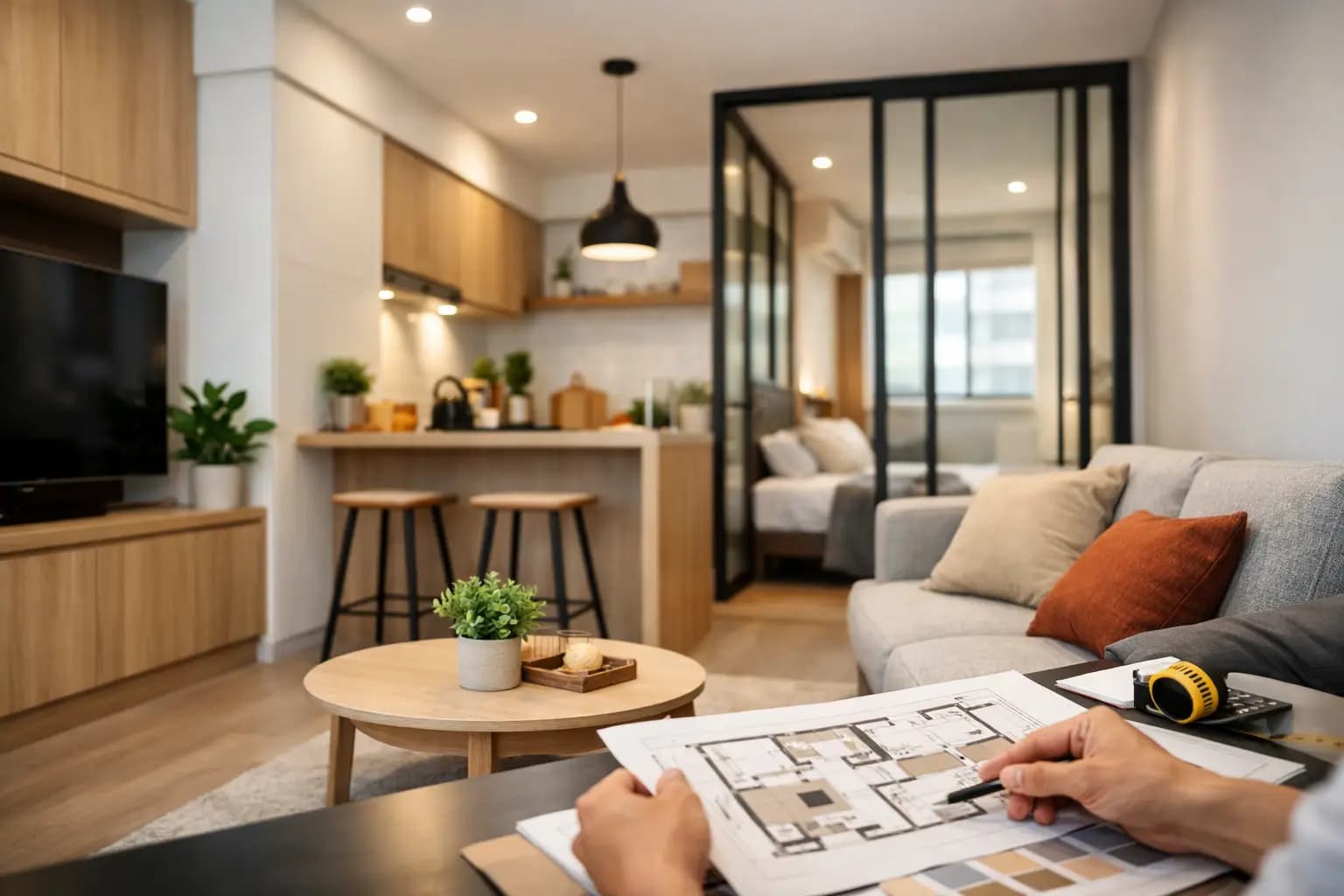
HDB Renovation Plans That Make Small Homes Work
JUL 16, 2026

Designing for Hybrid Work: Flexible Offices Built for Change
JUN 11, 2026

Designing for Intergenerational Living in a 4-Room HDB Flat
JUN 11, 2026
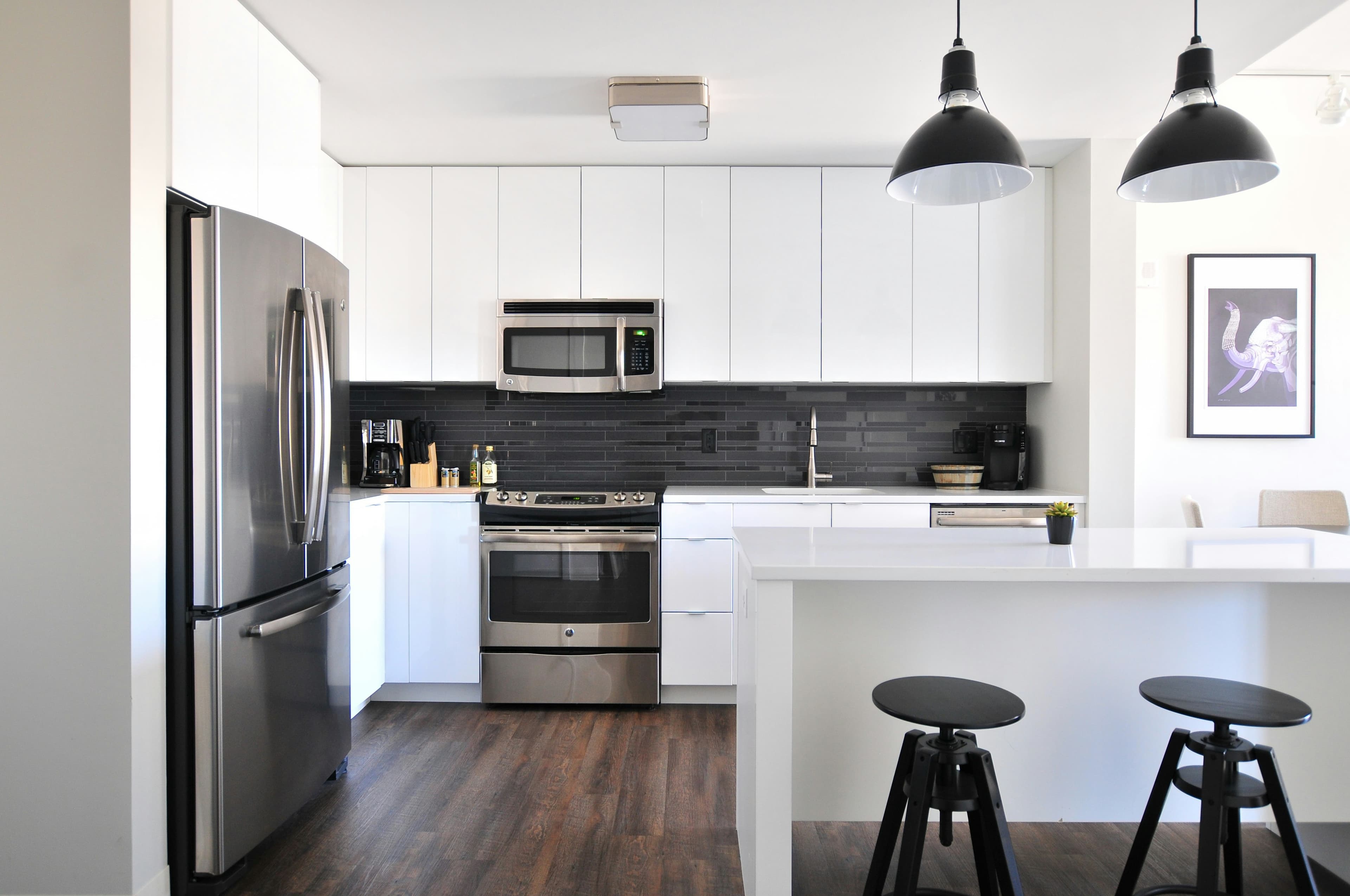
Everyday Opulence: Functional Luxuries That Make a Big Impact in Singapore Homes
JUN 11, 2026
How to Future-Proof Your HDB for Ageing in Place
JUN 11, 2026
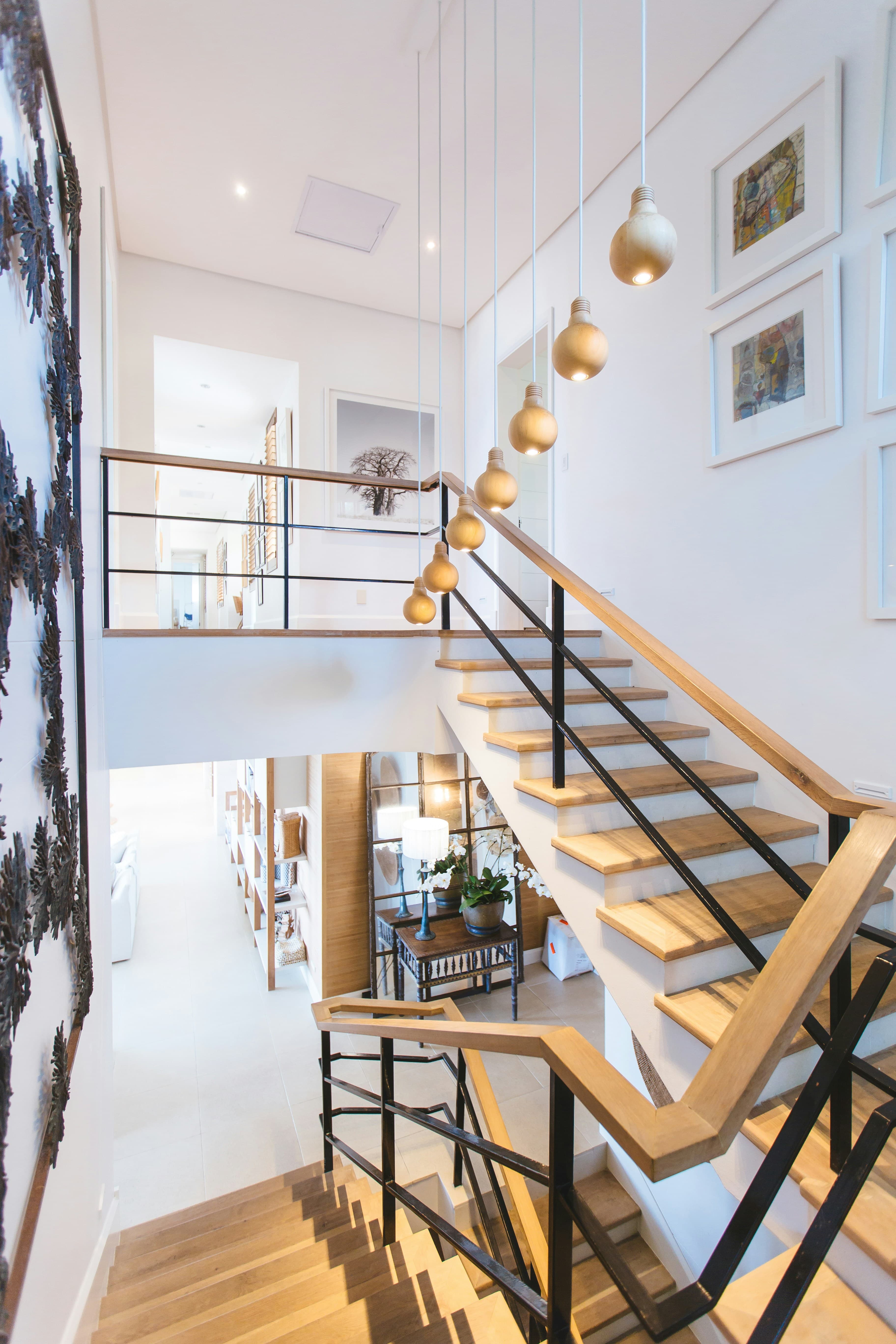
Mood Zones: How to Create Different Emotional Spaces at Home
JUN 11, 2026
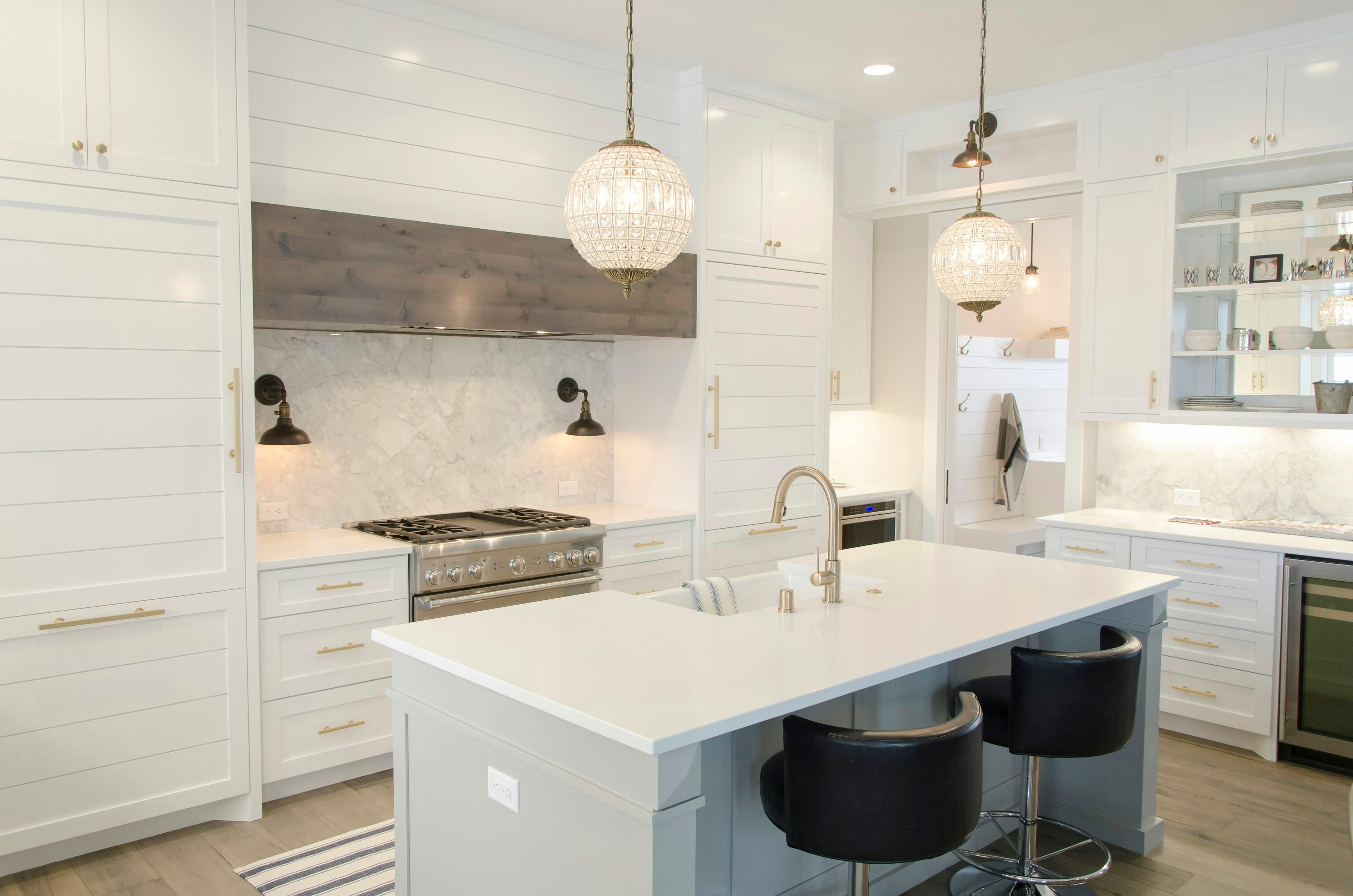
Open-Concept HDB Design: Wall Hacking Guide
JUN 11, 2026

Quiet Please: Soundproofing Solutions for Busy Commercial Settings
JUN 11, 2026
The Art of Vertical Living: Designing Upwards in Small Singapore Spaces
JUN 11, 2026

Open-Concept HDBs: Pros and Cons
FEB 09, 2026
HDB Kitchen Hacks: Designing for the Singaporean Home Chef
FEB 09, 2026