TIPS & ADVICE
OCT 18, 2026
5 min read
By Carpenters
Condo Bathroom Renovation Singapore: Waterproofing and Layout
Renovating a condo bathroom? Plan the layout and know which waterproofing questions to ask your contractor and condo management.
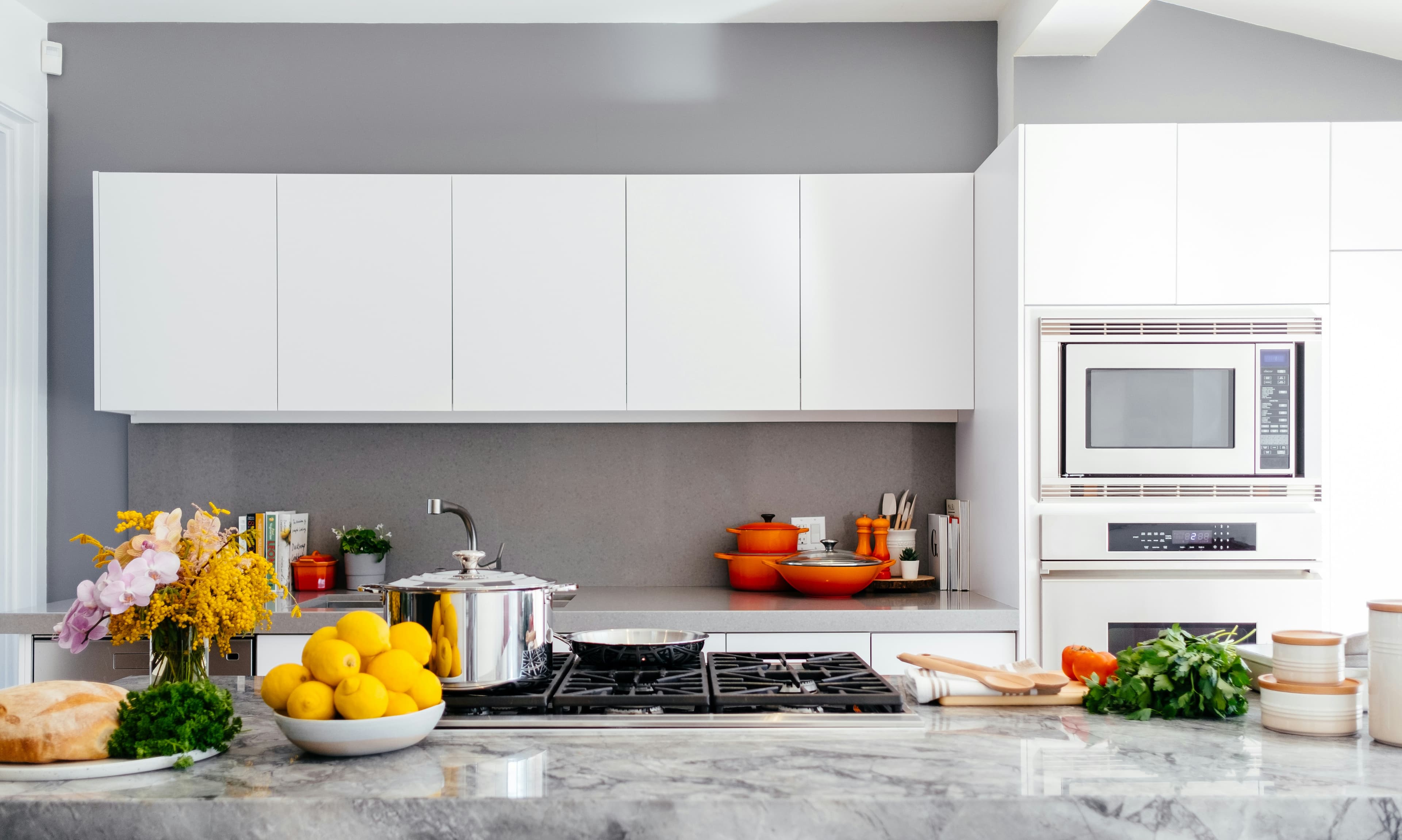
Renovating a bathroom in a Singapore condominium involves more than picking tiles and fixtures. Waterproofing and layout decisions affect durability, functionality and compliance with your building's rules. This guide walks you through the questions you should raise with your management office, licensed contractors and relevant authorities before starting a condo bathroom renovation Singapore.
Understanding Your Condo's Waterproofing Requirements
Waterproofing is critical in any bathroom, but condominiums have specific considerations because water leaks affect neighbouring units. Before your contractor begins work, clarify what your management office requires.
Questions to Confirm with Management
Ask your management office whether they have a preferred waterproofing method or standard. Many condos require contractors to follow particular specifications to protect structural integrity and prevent disputes between units. Find out if there are approved waterproofing products or whether your contractor has freedom to propose alternatives.
Request a copy of the building's maintenance manual or specifications for bathrooms, if available. This document often outlines minimum waterproofing standards and which areas—such as wet areas, shower enclosures or toilet zones—need reinforced protection.
Check whether your condo requires a waterproofing certificate or inspection report upon completion. Some management offices mandate third-party verification that waterproofing meets their standards before renovation sign-off.
Common Waterproofing Zones
In a condo bathroom, certain areas warrant stricter waterproofing attention. Confirm with your contractor which zones apply to your layout:
- Shower enclosures and wet areas
- Toilet base and connections
- Under and around washbasin plumbing
- Wall areas behind water fixtures
- Floor sloping and drainage points
Your contractor should be able to explain which membrane system, sealant grade and application method they plan for each zone. This clarity helps you understand what you are paying for and why.
Planning Your Bathroom Layout Within Condo Constraints
Layout affects both aesthetics and practical outcomes. Condos often have fixed plumbing stacks and structural limits that shape what is possible.
Assessing Your Current Plumbing Infrastructure
Most condos have set positions for water and waste pipes running through walls and floors. Moving these lines is possible but costly and may require permits or management approval.
Ask your contractor to inspect the existing plumbing layout and confirm:
- Are the current pipe locations suitable for your desired fixture positions, or would relocation be necessary?
- What additional costs or timeframes might relocation involve?
- Does your management office need to approve plumbing changes before work begins?
If you are considering moving the toilet, shower or washbasin to a different wall, your contractor should survey the space and advise on feasibility. Some positions may require additional structural work or conflict with common pipes serving other units.
Space Constraints and Ventilation
Condo bathrooms often have compact layouts. Layout decisions affect ventilation and moisture control, which link directly to waterproofing longevity.
Raise these questions:
- Does your bathroom have an existing exhaust fan, and does it vent outside the building or recirculate indoors?
- If you are enlarging the wet area or adding a larger shower, will the current ventilation capacity remain adequate?
- Does management require that exhaust ducts connect to the building's common ventilation system, or can you install an independent vent?
Proper ventilation reduces moisture accumulation, which extends the life of waterproofing membranes and reduces mould risk. If your current ventilation is inadequate, your contractor should recommend upgrades and confirm whether management approval is required.
Structural and Load-Bearing Considerations
Some layout changes—such as relocating a bathtub, installing a large stone vanity or adding a wet room—add weight to the bathroom floor. Confirm with your contractor whether structural reinforcement is needed.
Ask whether any proposed changes require a structural engineer's assessment or management sign-off. This is particularly important if you plan to remove walls or alter the floor level.
Common Layout and Waterproofing Trade-offs
Certain design choices offer benefits in one area but create challenges in another. Understanding these trade-offs helps you make informed decisions.
Wet Rooms Versus Enclosed Showers
Wet rooms offer an open, spacious feel but require comprehensive waterproofing across the entire floor and walls. Enclosed shower cubicles confine water but depend heavily on proper sealing around the enclosure frame and floor junction.
Discuss with your contractor which approach suits your condo's structure and your management office's tolerance. Wet rooms may demand more rigorous waterproofing inspection and sign-off from your building.
Floor Materials and Slip Resistance
Natural stone, large-format tiles and polished finishes look elegant but can be slippery when wet. Textured tiles and matte finishes offer better grip but may retain stains in grout lines.
Your contractor can explain the waterproofing and slip-resistance trade-offs of different materials. Some materials also require specific sealers or maintenance routines to protect waterproofing over time.
Vanity Depth and Plumbing Access
A deeper vanity offers more storage but may complicate plumbing runs or limit access for future maintenance. Shallower vanities free up floor space but may reduce functionality.
Confirm with your contractor whether the vanity depth you prefer allows adequate waterproofing around the p-trap and supply pipes, and whether maintenance access remains workable if issues arise later.
Pre-Renovation Approvals and Documentation
Condos require approval steps that private homes often skip. Plan time for these processes.
Management Office Submission
Most management offices require approval of renovation plans before work begins. You typically submit:
- A floor plan showing the layout changes
- Details of any structural work or plumbing changes
- Contractor information and insurance details
- A timeline and scope of work
Ask your management office what specific documents or drawings they need and whether there is a formal approval timeline. Some offices respond within two weeks; others take longer.
Contractor Credentials and Insurance
Confirm that your contractor is licensed and holds relevant certifications. Ask for proof of public liability insurance and professional indemnity coverage. Your management office may require copies before work starts.
Waterproofing Warranty and Documentation
Discuss with your contractor what documentation they will provide upon completion. This may include:
- Photographs of waterproofing membranes before tiling
- Certificates or compliance reports if management requires them
- Written details of materials used and application methods
- Maintenance advice for ongoing waterproofing care
Having clear documentation protects you if issues arise later and helps future buyers understand the work that was done.
Maintenance After Renovation
Waterproofing performs best when properly maintained. Discuss with your contractor what upkeep is needed.
Ask about:
- How often exhaust fans should run to manage moisture
- Whether grout or sealants need periodic resealing
- What cleaning products are safe for the waterproofing system you have chosen
- When to inspect areas around pipes or fixtures for early signs of water damage
Your contractor should provide written maintenance guidance specific to the materials and methods used in your condo bathroom renovation Singapore.
Moving Forward with Confidence
Condo bathroom renovations succeed when you understand both the building's requirements and the practical realities of your space. Raising the right questions with your management office, contractor and relevant professionals early prevents costly delays and disputes later.
Start by confirming your management office's standards and approval process. Then work with a licensed contractor who can assess your plumbing and structural situation honestly and advise on realistic waterproofing and layout options.
If you would like to discuss your condo bathroom project, the layout possibilities in your space, or waterproofing questions specific to your building, we are ready to help. Contact Carpenters to schedule a consultation with our team.
Related renovation resources
Table of Contents
You Might Also Like
Platform Bed Design Singapore: Storage Beds and Headboard Planning
OCT 31, 2026
Bungalow Interior Design Singapore: Planning Large Homes
OCT 30, 2026
Condo Living Room Design Singapore: Layouts for Entertaining
OCT 29, 2026
BTO Renovation Sequence Singapore: What to Do First
OCT 28, 2026
HDB Maisonette Renovation Singapore: Designing Two Levels
OCT 27, 2026
Meeting Room Design Singapore: Layouts, Acoustics and Technology
OCT 26, 2026
Quartz vs Solid Surface Countertop Singapore: Which to Pick?
OCT 25, 2026

Interior Designer vs Contractor Singapore: Key Differences
OCT 23, 2026
Japandi Interior Design Singapore: Warm Minimalism for Homes
OCT 22, 2026
Nursery Design Singapore: Planning a Safe and Practical Baby Room
OCT 21, 2026
Shoe Cabinet Design Singapore: Storage for Every Household
OCT 20, 2026
Semi-Detached House Interior Design Singapore: Space Planning
OCT 19, 2026
Condo Bathroom Renovation Singapore: Waterproofing and Layout
OCT 18, 2026
BTO Renovation Budget Planning Singapore: Setting Priorities
OCT 17, 2026
Executive Apartment Renovation Singapore: Planning Large Layouts
OCT 16, 2026
Office Reception Design Singapore: Planning First Impressions
OCT 15, 2026
Vinyl Flooring Singapore: Pros, Cons and Where It Works
OCT 14, 2026
How to Choose an Interior Designer Singapore: Questions to Ask
OCT 13, 2026
Scandinavian Interior Design Singapore: Adapting to Our Climate
OCT 12, 2026
Kids Bedroom Design Singapore: Rooms That Grow with Children
OCT 11, 2026
TV Console Design Singapore: Planning Feature Walls and Cabling
OCT 10, 2026
Terrace House Renovation Singapore: Narrow and Deep Layouts
OCT 09, 2026
Condo Renovation Approval Singapore: Confirm with Management
OCT 08, 2026
BTO Defects Check Singapore: What to Inspect at Key Collection
OCT 07, 2026

2-Room HDB Renovation Singapore: Making Small Flats Work
OCT 06, 2026
Interior Design Consultation Singapore: What to Prepare
SEP 26, 2026
Kitchen Carpentry Singapore: Cabinet Planning Checklist
SEP 25, 2026
Built-In Wardrobe Singapore: Planning Storage That Works
SEP 24, 2026

Retail Interior Design Singapore: Customer Flow Planning
SEP 23, 2026
Office Interior Design Singapore: Workplace Planning Guide
SEP 22, 2026
Landed House Interior Design Singapore: Renovation Planning
SEP 21, 2026
Condo Kitchen Renovation Singapore: Layout and Storage Guide
SEP 20, 2026

Resale Flat Renovation Singapore: Family Storage Planning
SEP 19, 2026
BTO Renovation Singapore: What to Plan Before Key Collection
SEP 18, 2026
5-Room HDB Renovation Singapore: Planning Checklist
SEP 17, 2026
3-Room HDB Renovation Singapore: Space Planning Guide
SEP 16, 2026
4-Room HDB Interior Design for a Practical Family Home
SEP 16, 2026
Condo Renovation Singapore: Planning Guide
SEP 15, 2026

Commercial Fit Out Guide for Singapore Businesses
SEP 14, 2026
Why Blum Hinges Change How Cabinets Feel
SEP 12, 2026

Design Build Comparison for Better Renovations
SEP 10, 2026

10 Small Apartment Storage Examples That Work
SEP 08, 2026

Renovation Quotation Analysis Made Clear
SEP 06, 2026
How to Inspect Carpentry Quality Before Handover
SEP 04, 2026

HDB Renovation Noise Rules Guide for Homeowners
SEP 02, 2026

Office Renovation That Makes Work Flow Better
AUG 31, 2026

Renovation Permit Questions Singapore Owners Ask
AUG 29, 2026
Modular Versus Custom Cabinetry: Which Fits?
AUG 27, 2026

How to Avoid Renovation Delays in Singapore
AUG 25, 2026

Renovation Handover Checklist Guide for Homeowners
AUG 23, 2026

How Long Do Renovations Take in Singapore?
AUG 21, 2026
Laminate Versus Veneer Cabinets Compared
AUG 19, 2026
Can HDB Walls Be Removed? What to Check First
AUG 17, 2026
12 Best Storage Ideas for Families at Home
AUG 15, 2026

ID Firm Versus Contractor: Which Fits Your Renovation?
AUG 11, 2026

How to Budget Home Renovation Without Regrets
AUG 09, 2026

What Is a Renovation Deposit? A Clear Guide
AUG 07, 2026
How to Choose Cabinet Materials for Your Home
AUG 05, 2026

10 Common Renovation Budget Mistakes to Avoid
AUG 03, 2026

First Time Renovator Guide for a Confident Home
AUG 01, 2026

HDB BCA Renovation Requirements Explained
JUL 30, 2026

Retail Interior Design Singapore That Works Hard
JUL 28, 2026

Landed House Renovation Singapore Done Right
JUL 27, 2026
Small HDB Space Planning That Feels Spacious
JUL 26, 2026

3D Interior Design Visualization Singapore
JUL 25, 2026
Kitchen Cabinet Direct Factory Price Explained
JUL 24, 2026

Built In Wardrobe Singapore for Smarter Homes
JUL 23, 2026

Choosing a CaseTrust Interior Design Firm
JUL 22, 2026

How Direct Factory Pricing Shapes Renovation Value
JUL 21, 2026
Interior Design Singapore Homes That Work
JUL 19, 2026

Choose a Renovation Contractor in Singapore
JUL 18, 2026

Condo Renovation Singapore Plans That Work
JUL 17, 2026
Custom Carpentry for Singapore Homes That Works
JUL 16, 2026
HDB Renovation Plans That Make Small Homes Work
JUL 16, 2026
Designing for Hybrid Work: Flexible Offices Built for Change
JUN 11, 2026

Designing for Intergenerational Living in a 4-Room HDB Flat
JUN 11, 2026
Everyday Opulence: Functional Luxuries That Make a Big Impact in Singapore Homes
JUN 11, 2026
How to Future-Proof Your HDB for Ageing in Place
JUN 11, 2026
Mood Zones: How to Create Different Emotional Spaces at Home
JUN 11, 2026
Open-Concept HDB Design: Wall Hacking Guide
JUN 11, 2026

Quiet Please: Soundproofing Solutions for Busy Commercial Settings
JUN 11, 2026
The Art of Vertical Living: Designing Upwards in Small Singapore Spaces
JUN 11, 2026

Open-Concept HDBs: Pros and Cons
FEB 09, 2026
HDB Kitchen Hacks: Designing for the Singaporean Home Chef
FEB 09, 2026