Carpentry Guides
JUL 24, 2026
5 min read
By Carpenters
Kitchen Cabinet Direct Factory Price Explained
Understand kitchen cabinet direct factory price in Singapore, what it includes, and how in-house carpentry supports better value, quality, and clarity.
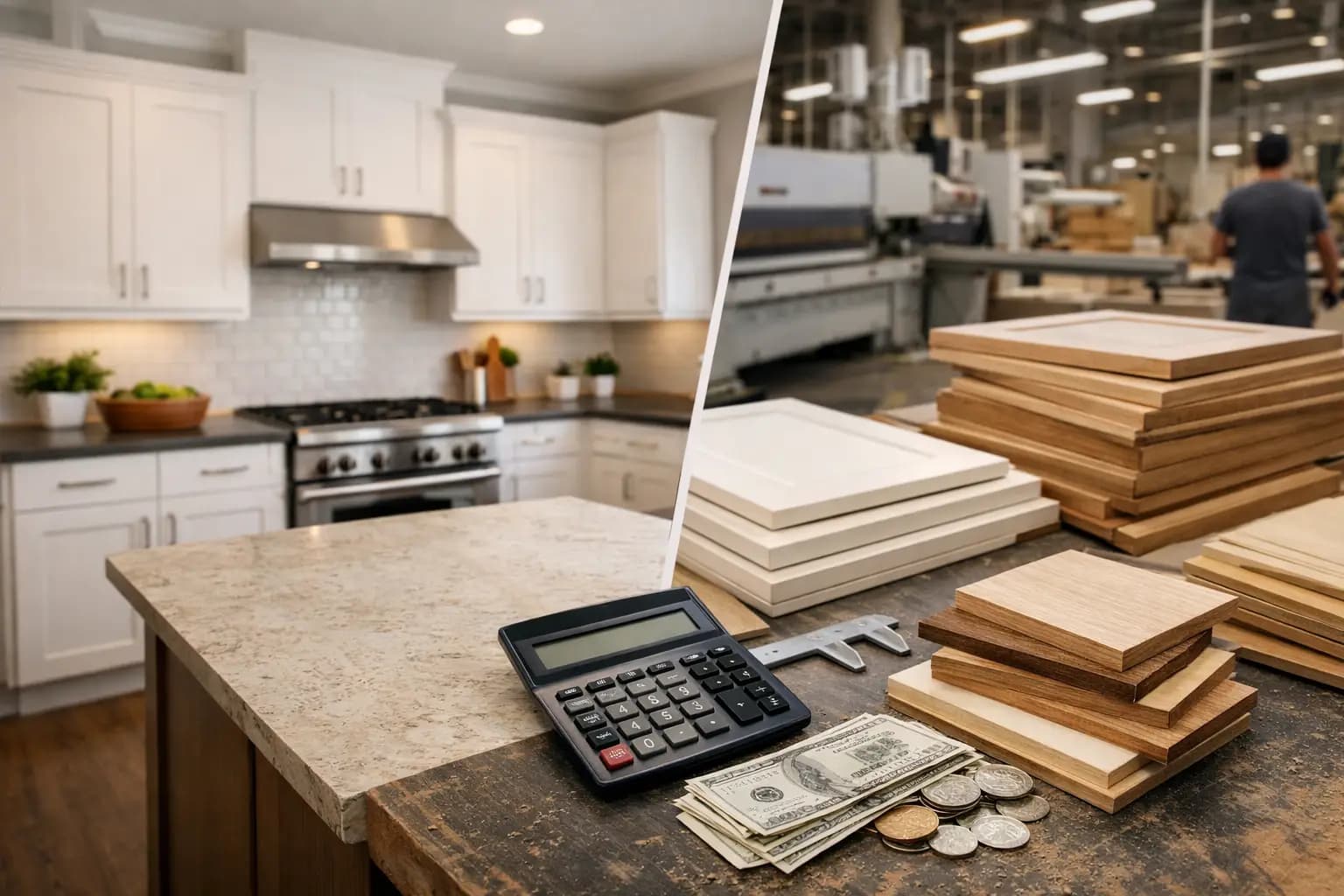
A kitchen quote can look attractive until the details start arriving separately: design revisions, internal fittings, delivery, installation, site protection, and adjustments after measurement. A kitchen cabinet direct factory price should make those costs easier to understand, not simply present a lower number. For Singapore homeowners, the real value lies in knowing who designs the kitchen, who fabricates each cabinet, and who remains accountable through installation and handover.
A well-planned kitchen is one of the most hardworking parts of a home. It must hold daily essentials, accommodate appliances, withstand humidity and heat, and still feel calm enough for family life. Direct factory pricing can offer meaningful value when it is paired with thoughtful space planning, clear specifications, and dependable workmanship.
What Kitchen Cabinet Direct Factory Price Means
Direct factory pricing generally means the company quoting your kitchen cabinetry owns or directly operates the workshop that fabricates it. Instead of passing the order through several layers of suppliers, subcontractors, and resellers, the design and production teams work within one managed process.
That structure can reduce unnecessary markups. More importantly, it creates a clearer line between the approved drawing, the material selected, and the cabinet delivered to your home. If a tall pantry needs to be adjusted around a beam or a drawer front needs refinement to align with neighboring panels, the team responsible for fabrication is closer to the decision.
Still, direct factory price does not automatically mean the cheapest kitchen quote. Custom cabinetry has real costs: skilled labor, board materials, laminates, hardware, transport, installation, site coordination, and quality checks. A low initial figure may exclude essentials that another quotation already includes. Compare the full scope rather than a headline price alone.
Where the Value Comes From
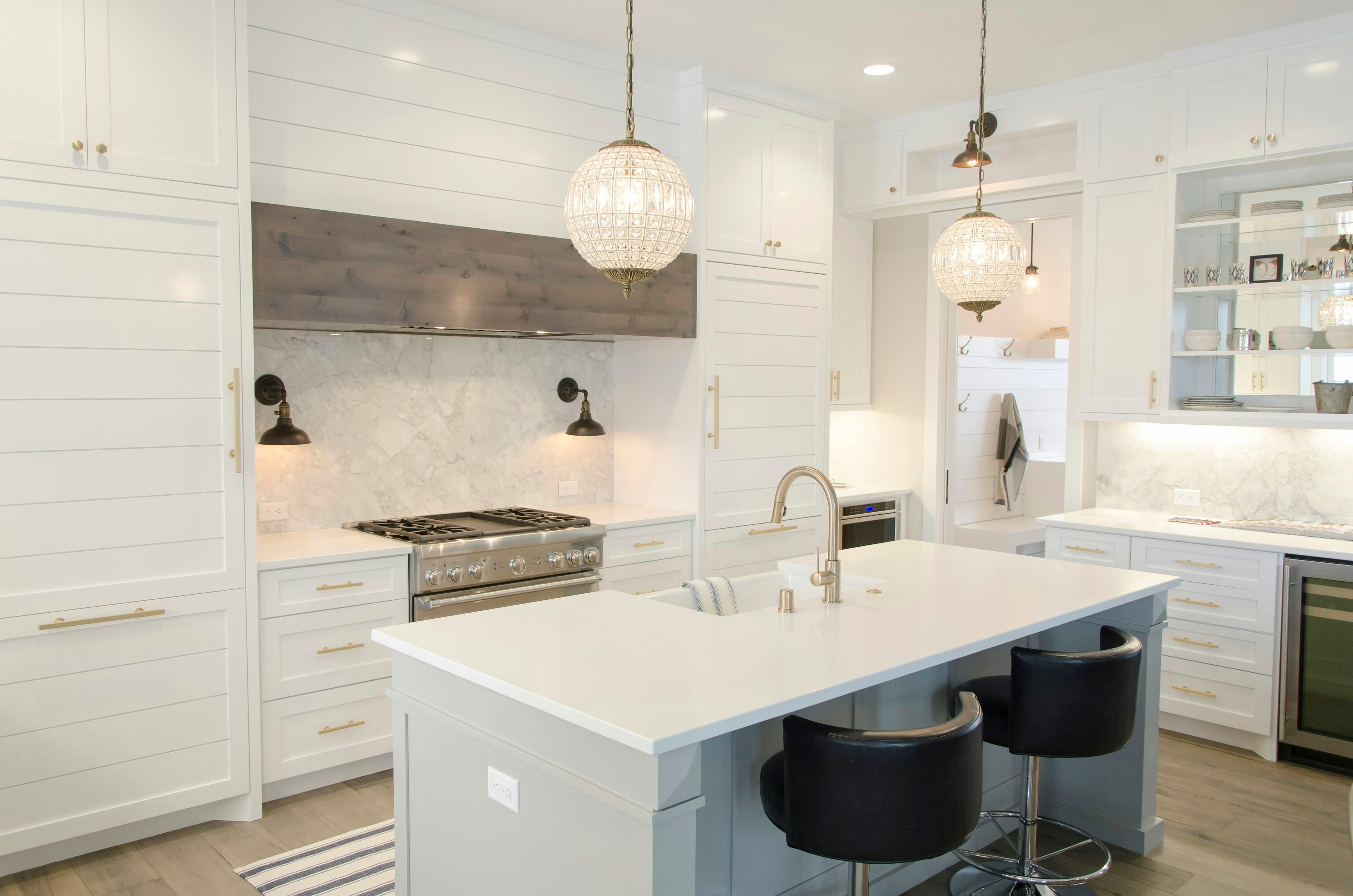
An in-house workshop brings greater control over the cabinetry process. Measurements can be checked against the final site conditions before production begins. Cabinet dimensions can be tailored to an awkward corner, a compact HDB kitchen, a full-height storage wall, or a larger landed-home layout without relying on standard modules that leave wasted gaps.
It also supports more consistent quality control. Cabinet boxes, edge finishing, door alignment, and cutouts for sinks or appliances are details that affect how a kitchen performs long after move-in day. When fabrication and installation are coordinated, issues can be identified earlier and resolved with less back-and-forth.
For homeowners, this can translate into better use of budget rather than simply less spending. You may choose to direct savings from middleman costs toward durable hinges, practical drawer systems, a better internal layout, or laminate finishes that suit the rest of the home. The right priority depends on how you cook, store, and live.
What a Transparent Kitchen Quote Should Include
A direct factory kitchen quote should be specific enough for you to compare it fairly. It should identify the cabinet areas included, such as base cabinets, wall cabinets, tall units, island cabinetry, or a service-yard storage solution. It should also state the material and finish proposed, rather than using broad descriptions that leave room for assumptions.
Ask how the quotation treats the cabinet carcass, door and drawer fronts, backing, internal shelves, edging, handles, and hardware. Soft-close mechanisms, pull-out baskets, corner solutions, and built-in organizers can change both the price and the daily experience of using the kitchen. Premium hardware is often worthwhile for frequently used drawers and heavy pantry doors, but it may not be necessary in every cabinet.
Installation should be equally clear. Confirm whether delivery, installation, final adjustments, protection of completed surfaces, and removal of installation debris are included. Countertops, backsplashes, appliances, electrical work, plumbing changes, and demolition are often priced separately because they involve different specialists. Separate line items are not a concern when they are explained clearly; vague inclusions are.
The measurements that protect your budget
A kitchen should be fabricated only after a careful site measurement, especially in older homes or properties with uneven walls and floors. Small differences can affect filler panels, countertop tolerances, door clearances, and appliance placement.
A responsible team will also ask about the appliances you intend to keep or purchase. Oven dimensions, refrigerator ventilation requirements, sink size, and hob positioning all influence cabinetry. Sharing model information early avoids costly changes after production has started.
Direct Factory Pricing and Custom Design
Custom design is not about adding cabinetry to every available wall. It is about assigning each area a purpose. In a compact apartment, that may mean deep drawers for cookware, a slim pull-out beside the refrigerator, and upper cabinets sized for items used less often. In a family kitchen, it may mean a tall pantry that keeps snacks accessible while moving cleaning supplies out of reach.
The best layout starts with your routines. Consider where groceries enter the kitchen, where meals are prepared, how dishes are washed, and whether more than one person cooks at a time. A beautiful island can become an obstacle in a narrow space, while a simple galley layout can be exceptionally efficient when clearances are respected.
This is where direct workshop access supports design freedom. A cabinet can be made to suit a particular ceiling height, niche, or appliance rather than forcing the room to accept off-the-shelf dimensions. Yet customization should be deliberate. Unusual finishes, complex curved panels, specialty mechanisms, and heavily segmented storage can raise costs. Choose them when they improve function or create a look you genuinely want to live with.
How to Compare Kitchen Cabinet Quotes Fairly
When reviewing proposals, place the drawings and specifications beside the price. A quote for 20 feet of cabinets is not comparable if one includes only basic swing-door units while another includes drawers, a tall pantry, soft-close hardware, and installation.
Look beyond the visible doors. Ask about the board type and thickness, the laminate brand or finish category, edge treatment, hinge and runner systems, and the warranty provided. Cabinets are used from the inside out, so internal construction matters as much as the exterior color.
It is also reasonable to ask who will manage your project when work is underway. Renovation involves sequencing. The cabinet installer needs the site ready, while countertop, plumbing, electrical, and appliance work must follow the correct order. A full-service design-and-build partner can coordinate these touchpoints and give you one accountable team instead of leaving you to manage separate parties.
Carpenters combines interior design, site coordination, and an in-house Singapore carpentry workshop, allowing homeowners to see how their kitchen budget connects to design decisions, fabrication, and final installation. The goal is not a one-size-fits-all package. It is a kitchen with a defined scope, considered details, and a process that remains clear from first conversation to handover.
Questions Worth Asking Before You Commit
Before approving a kitchen cabinet proposal, ask whether the price is based on estimated or final measurements, which items are excluded, and how variations are handled if site conditions change. You should also understand the payment schedule, production timeline, installation date, and warranty terms.
For hardware, find out which mechanisms are used and what coverage applies. A lifetime warranty on Blum mechanisms, for example, offers reassurance for components that are opened and closed thousands of times over the life of a kitchen. Carpentry coverage should be explained separately, including what service support looks like if an adjustment is needed after completion.
Finally, make sure the contractor is properly registered and equipped to manage renovation requirements for your property type. In Singapore, this may include HDB requirements for public housing and relevant building or management approvals for condominiums and landed homes. Proper planning protects more than the design. It protects your timeline, budget, and peace of mind.
A direct factory price is most valuable when it gives you a clearer route to a kitchen that works beautifully every day. Bring your cooking habits, storage frustrations, and wish list to the design discussion. The strongest cabinetry decisions begin there, long before the first panel is cut.
Table of Contents
You Might Also Like
Platform Bed Design Singapore: Storage Beds and Headboard Planning
OCT 31, 2026
Bungalow Interior Design Singapore: Planning Large Homes
OCT 30, 2026
Condo Living Room Design Singapore: Layouts for Entertaining
OCT 29, 2026
BTO Renovation Sequence Singapore: What to Do First
OCT 28, 2026
HDB Maisonette Renovation Singapore: Designing Two Levels
OCT 27, 2026
Meeting Room Design Singapore: Layouts, Acoustics and Technology
OCT 26, 2026
Quartz vs Solid Surface Countertop Singapore: Which to Pick?
OCT 25, 2026

Interior Designer vs Contractor Singapore: Key Differences
OCT 23, 2026
Japandi Interior Design Singapore: Warm Minimalism for Homes
OCT 22, 2026
Nursery Design Singapore: Planning a Safe and Practical Baby Room
OCT 21, 2026
Shoe Cabinet Design Singapore: Storage for Every Household
OCT 20, 2026
Semi-Detached House Interior Design Singapore: Space Planning
OCT 19, 2026
Condo Bathroom Renovation Singapore: Waterproofing and Layout
OCT 18, 2026
BTO Renovation Budget Planning Singapore: Setting Priorities
OCT 17, 2026
Executive Apartment Renovation Singapore: Planning Large Layouts
OCT 16, 2026
Office Reception Design Singapore: Planning First Impressions
OCT 15, 2026
Vinyl Flooring Singapore: Pros, Cons and Where It Works
OCT 14, 2026
How to Choose an Interior Designer Singapore: Questions to Ask
OCT 13, 2026
Scandinavian Interior Design Singapore: Adapting to Our Climate
OCT 12, 2026
Kids Bedroom Design Singapore: Rooms That Grow with Children
OCT 11, 2026
TV Console Design Singapore: Planning Feature Walls and Cabling
OCT 10, 2026
Terrace House Renovation Singapore: Narrow and Deep Layouts
OCT 09, 2026
Condo Renovation Approval Singapore: Confirm with Management
OCT 08, 2026
BTO Defects Check Singapore: What to Inspect at Key Collection
OCT 07, 2026
2-Room HDB Renovation Singapore: Making Small Flats Work
OCT 06, 2026
Interior Design Consultation Singapore: What to Prepare
SEP 26, 2026
Kitchen Carpentry Singapore: Cabinet Planning Checklist
SEP 25, 2026
Built-In Wardrobe Singapore: Planning Storage That Works
SEP 24, 2026

Retail Interior Design Singapore: Customer Flow Planning
SEP 23, 2026
Office Interior Design Singapore: Workplace Planning Guide
SEP 22, 2026
Landed House Interior Design Singapore: Renovation Planning
SEP 21, 2026
Condo Kitchen Renovation Singapore: Layout and Storage Guide
SEP 20, 2026
Resale Flat Renovation Singapore: Family Storage Planning
SEP 19, 2026
BTO Renovation Singapore: What to Plan Before Key Collection
SEP 18, 2026
5-Room HDB Renovation Singapore: Planning Checklist
SEP 17, 2026
3-Room HDB Renovation Singapore: Space Planning Guide
SEP 16, 2026
4-Room HDB Interior Design for a Practical Family Home
SEP 16, 2026
Condo Renovation Singapore: Planning Guide
SEP 15, 2026

Commercial Fit Out Guide for Singapore Businesses
SEP 14, 2026
Why Blum Hinges Change How Cabinets Feel
SEP 12, 2026

Design Build Comparison for Better Renovations
SEP 10, 2026
10 Small Apartment Storage Examples That Work
SEP 08, 2026

Renovation Quotation Analysis Made Clear
SEP 06, 2026

How to Inspect Carpentry Quality Before Handover
SEP 04, 2026

HDB Renovation Noise Rules Guide for Homeowners
SEP 02, 2026

Office Renovation That Makes Work Flow Better
AUG 31, 2026

Renovation Permit Questions Singapore Owners Ask
AUG 29, 2026
Modular Versus Custom Cabinetry: Which Fits?
AUG 27, 2026

How to Avoid Renovation Delays in Singapore
AUG 25, 2026

Renovation Handover Checklist Guide for Homeowners
AUG 23, 2026

How Long Do Renovations Take in Singapore?
AUG 21, 2026
Laminate Versus Veneer Cabinets Compared
AUG 19, 2026

Can HDB Walls Be Removed? What to Check First
AUG 17, 2026
12 Best Storage Ideas for Families at Home
AUG 15, 2026

ID Firm Versus Contractor: Which Fits Your Renovation?
AUG 11, 2026

How to Budget Home Renovation Without Regrets
AUG 09, 2026

What Is a Renovation Deposit? A Clear Guide
AUG 07, 2026
How to Choose Cabinet Materials for Your Home
AUG 05, 2026

10 Common Renovation Budget Mistakes to Avoid
AUG 03, 2026

First Time Renovator Guide for a Confident Home
AUG 01, 2026

HDB BCA Renovation Requirements Explained
JUL 30, 2026

Retail Interior Design Singapore That Works Hard
JUL 28, 2026

Landed House Renovation Singapore Done Right
JUL 27, 2026
Small HDB Space Planning That Feels Spacious
JUL 26, 2026

3D Interior Design Visualization Singapore
JUL 25, 2026
Kitchen Cabinet Direct Factory Price Explained
JUL 24, 2026

Built In Wardrobe Singapore for Smarter Homes
JUL 23, 2026

Choosing a CaseTrust Interior Design Firm
JUL 22, 2026

How Direct Factory Pricing Shapes Renovation Value
JUL 21, 2026

Interior Design Singapore Homes That Work
JUL 19, 2026

Choose a Renovation Contractor in Singapore
JUL 18, 2026

Condo Renovation Singapore Plans That Work
JUL 17, 2026
Custom Carpentry for Singapore Homes That Works
JUL 16, 2026
HDB Renovation Plans That Make Small Homes Work
JUL 16, 2026
Designing for Hybrid Work: Flexible Offices Built for Change
JUN 11, 2026

Designing for Intergenerational Living in a 4-Room HDB Flat
JUN 11, 2026
Everyday Opulence: Functional Luxuries That Make a Big Impact in Singapore Homes
JUN 11, 2026
How to Future-Proof Your HDB for Ageing in Place
JUN 11, 2026
Mood Zones: How to Create Different Emotional Spaces at Home
JUN 11, 2026
Open-Concept HDB Design: Wall Hacking Guide
JUN 11, 2026

Quiet Please: Soundproofing Solutions for Busy Commercial Settings
JUN 11, 2026

The Art of Vertical Living: Designing Upwards in Small Singapore Spaces
JUN 11, 2026
Open-Concept HDBs: Pros and Cons
FEB 09, 2026
HDB Kitchen Hacks: Designing for the Singaporean Home Chef
FEB 09, 2026