TIPS & ADVICE
OCT 12, 2026
5 min read
By Carpenters
Scandinavian Interior Design Singapore: Adapting to Our Climate
Love Scandinavian design? How to adapt it to Singapore's humidity and compact homes, from materials to light. Practical advice from Carpenters 匠.
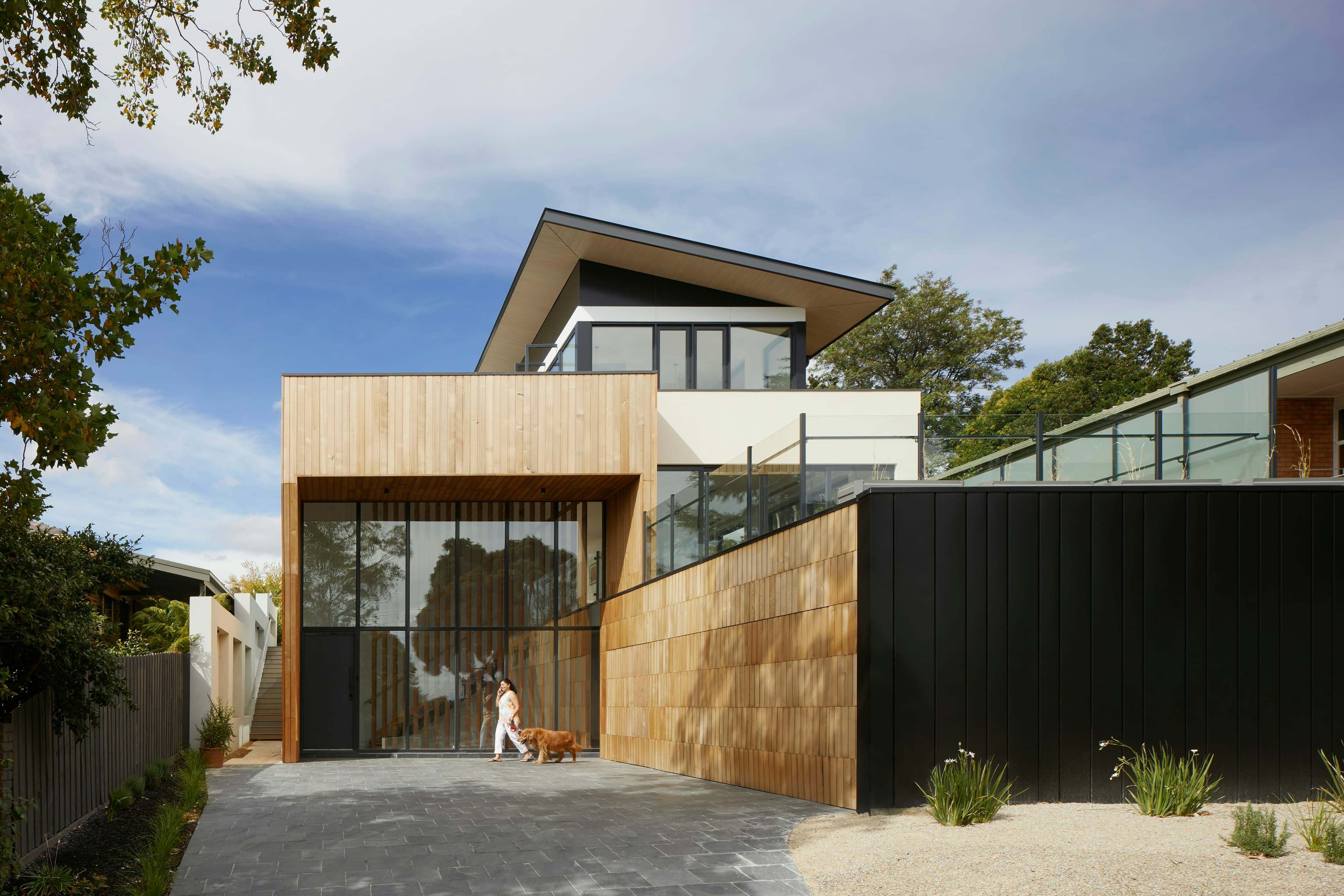
Scandinavian design is prized for its light, calm and functional aesthetic. In Singapore, where high humidity and smaller apartment footprints are the norm, the style needs some adjustments to stay comfortable and durable. This article walks through practical ways to adapt Scandinavian interior design Singapore owners admire, while keeping homes fresh, mould-free and well organised.
Understand the core Scandinavian principles
Scandinavian design is more than a look — it’s an approach that emphasises:
- Simplicity and restraint: uncluttered spaces, clear lines.
- Functionality: furniture and fittings that serve multiple purposes.
- Natural light and neutral palettes: bright, airy feel using whites, greys and soft pastels.
- Quality materials and craftsmanship: honest use of wood, wool, leather and metal.
When adapting these principles to Singapore, prioritise materials and finishes that cope with humidity, and plan for efficient storage and airflow so the aesthetic remains practical day-to-day.
Material choices that suit our humidity
Selecting materials with moisture resistance will help maintain the Scandinavian look without frequent upkeep.
Wood
- Prefer engineered wood with moisture-resistant core for joinery and cabinets rather than plain solid wood in exposed or wet areas.
- Use sealed finishes on timber surfaces—portrait-style or matte lacquers tend to reduce water ingress. Confirm product suitability with your supplier.
Surfaces
- For kitchen countertops and wet-zone splashbacks, choose non-porous surfaces such as quartz, porcelain or treated compact surfaces that mimic natural stone but resist staining and moisture.
- Avoid untreated natural stone in high-splash locations unless sealed and maintained regularly.
Metals and hardware
- Powder-coated or stainless-steel fittings resist corrosion better than untreated metals in humid climates.
- Opt for simple, durable hardware that complements the Scandinavian minimalism and can handle frequent use.
Wall finishes
- Choose high-quality paints with mould-resistant formulations for bathrooms and kitchens.
- Where possible, use tile or water-resistant panels in shower or wet areas. For living and bedrooms, breathable paint finishes help with condensation control.
Colour, light and layout for compact homes
Scandinavian interiors rely on light and visual openness — both important in compact Singapore units.
Colour and finishes
- Use a neutral base (off-white, warm grey) on walls to maximise perceived space and reflect light.
- Introduce natural wood tones and muted colours through furniture and accessories rather than painting walls darker, which can make rooms feel smaller.
Maximising light
- Keep window treatments minimal; lightweight linen or cotton sheers allow light while softening glare.
- Use mirrors strategically to bounce daylight into deeper corners.
Spatial planning
- Use open-plan layouts where possible to avoid boxed-in spaces. For small HDB flats or condos, reduce unnecessary partitions and consider partial screens or furniture to define zones without blocking light.
- Maintain clear circulation paths; Scandinavian design favours uncluttered routes and functional furniture placement.
Furniture and storage strategies
In small Singapore homes, Scandinavian simplicity must be married to clever storage.
Multi-function pieces
- Choose sofas with concealed storage, extendable dining tables, or beds with drawers to reduce clutter without compromising the clean lines of the style.
- Prefer compact, versatile seating (e.g., small armchairs, stools that double as side tables).
Built-in joinery
- Built-in cabinetry can be designed with closed storage to hide everyday clutter while presenting the minimalist facades typical of Scandinavian interiors.
- Use vertical storage to take advantage of ceiling height; the eye reads vertical lines as more spacious.
Open vs closed storage
- Keep open shelving minimal and curated. Open shelves in a humid climate need regular maintenance to avoid dust and moisture build-up on items.
- Store textiles, books and paper items in closed cabinetry or sealed containers to protect them from humidity.
Checklist: furniture and storage choices
- Prioritise multi-functional furniture
- Opt for closed storage for moisture-sensitive items
- Use vertical built-ins to maximise floor area
- Keep open shelving well-curated and ventilated
Flooring and moisture control
Flooring affects both aesthetics and durability in humid climates.
Floor options
- Engineered timber or wood-look vinyl plank flooring are popular ways to get the warmth of wood with better stability in humidity than some solid wood types.
- Porcelain or large-format tiles work well for wet areas and help keep spaces cooler. Choose matte finishes to match the Scandinavian understated look.
Preventing moisture issues
- Ensure underlay and adhesives for flooring are suitable for high-humidity environments; this is a discussion to have with your flooring professional.
- Introduce area rugs in living spaces for warmth and texture, but select rugs that can be easily aired and cleaned.
Textiles, soft furnishings and mould prevention
Textiles bring the softness and layered look of Scandinavian interiors but need care in Singapore.
Choice of fabrics
- Use natural fibres like cotton and linen for curtains and cushion covers — they breathe better and can be washed more easily.
- For upholstery, choose fabrics with tight weaves and consider performance fabrics that resist moisture and staining.
Care and placement
- Avoid heavy drapery that traps moisture. Keep curtains short and well-ventilated.
- Rotate and air out cushions and throws periodically; avoid storing textiles in sealed, damp spaces.
Checklist: textile care
- Choose breathable natural fibres where possible
- Use washable covers for cushions and throws
- Air textiles regularly to prevent mould
- Store off-season items in moisture-controlled storage
Lighting and ventilation — essentials for comfort
Good lighting and airflow are central to both Scandinavian ambience and living comfortably in Singapore.
Layered lighting
- Combine ambient, task and accent lighting to mimic the soft, inviting glow common in Scandinavian homes. Use warm LED temperatures for warmth.
- Keep fixtures simple and sculptural, aligning with the minimalist aesthetic.
Ventilation strategies
- Prioritise cross-ventilation where layout allows. Use ceiling fans or unobtrusive circulating fans to improve airflow in living spaces.
- For bathrooms and enclosed kitchens, ensure exhaust fans are appropriately specified and installed. Confirm system types and installation rules with your development management or building authority before any changes.
Note: Confirm any building-specific ventilation or alteration rules with your condo management, MCST, HDB or relevant authority before proceeding.
Practical checklists before you start
Design checklist
- Clarify which Scandinavian elements are most important (light, wood tones, simplicity)
- Audit existing moisture-prone areas and plan for water-resistant finishes
- Decide between open shelving and closed storage based on humidity and lifestyle
Material checklist
- Specify engineered wood or moisture-stable alternatives for joinery
- Choose non-porous worktops for kitchens and wet areas
- Select paint with mould-resistant properties for humid rooms
Execution checklist
- Confirm development-specific requirements (HDB/condo/MCST rules) for any alterations
- Work with contractors familiar with humidity-adapted finishes and detailing
- Plan for routine maintenance (airing textiles, inspecting seals, cleaning exhausts)
Conclusion
Scandinavian interior design Singapore homeowners love can be achieved without sacrificing comfort or durability. The key is to keep the style’s clean, light-filled essence while choosing materials and storage solutions that handle humidity and compact layouts. Small decisions — from engineered timber joinery to moisture-resistant finishes, curated open shelving and layered lighting — make the aesthetic work for our climate.
If you’d like help adapting these ideas to your flat or office — including planning materials, storage solutions and finishes suited to local conditions — we can arrange a consultation to review your space and requirements. Please confirm any development-specific alteration rules with your management or relevant authority before work begins.
Related renovation resources
Table of Contents
You Might Also Like
Platform Bed Design Singapore: Storage Beds and Headboard Planning
OCT 31, 2026
Bungalow Interior Design Singapore: Planning Large Homes
OCT 30, 2026
Condo Living Room Design Singapore: Layouts for Entertaining
OCT 29, 2026
BTO Renovation Sequence Singapore: What to Do First
OCT 28, 2026
HDB Maisonette Renovation Singapore: Designing Two Levels
OCT 27, 2026
Meeting Room Design Singapore: Layouts, Acoustics and Technology
OCT 26, 2026
Quartz vs Solid Surface Countertop Singapore: Which to Pick?
OCT 25, 2026

Interior Designer vs Contractor Singapore: Key Differences
OCT 23, 2026
Japandi Interior Design Singapore: Warm Minimalism for Homes
OCT 22, 2026
Nursery Design Singapore: Planning a Safe and Practical Baby Room
OCT 21, 2026
Shoe Cabinet Design Singapore: Storage for Every Household
OCT 20, 2026
Semi-Detached House Interior Design Singapore: Space Planning
OCT 19, 2026
Condo Bathroom Renovation Singapore: Waterproofing and Layout
OCT 18, 2026
BTO Renovation Budget Planning Singapore: Setting Priorities
OCT 17, 2026
Executive Apartment Renovation Singapore: Planning Large Layouts
OCT 16, 2026
Office Reception Design Singapore: Planning First Impressions
OCT 15, 2026
Vinyl Flooring Singapore: Pros, Cons and Where It Works
OCT 14, 2026
How to Choose an Interior Designer Singapore: Questions to Ask
OCT 13, 2026
Scandinavian Interior Design Singapore: Adapting to Our Climate
OCT 12, 2026
Kids Bedroom Design Singapore: Rooms That Grow with Children
OCT 11, 2026
TV Console Design Singapore: Planning Feature Walls and Cabling
OCT 10, 2026
Terrace House Renovation Singapore: Narrow and Deep Layouts
OCT 09, 2026
Condo Renovation Approval Singapore: Confirm with Management
OCT 08, 2026
BTO Defects Check Singapore: What to Inspect at Key Collection
OCT 07, 2026
2-Room HDB Renovation Singapore: Making Small Flats Work
OCT 06, 2026
Interior Design Consultation Singapore: What to Prepare
SEP 26, 2026
Kitchen Carpentry Singapore: Cabinet Planning Checklist
SEP 25, 2026
Built-In Wardrobe Singapore: Planning Storage That Works
SEP 24, 2026
Retail Interior Design Singapore: Customer Flow Planning
SEP 23, 2026
Office Interior Design Singapore: Workplace Planning Guide
SEP 22, 2026
Landed House Interior Design Singapore: Renovation Planning
SEP 21, 2026
Condo Kitchen Renovation Singapore: Layout and Storage Guide
SEP 20, 2026
Resale Flat Renovation Singapore: Family Storage Planning
SEP 19, 2026
BTO Renovation Singapore: What to Plan Before Key Collection
SEP 18, 2026
5-Room HDB Renovation Singapore: Planning Checklist
SEP 17, 2026
3-Room HDB Renovation Singapore: Space Planning Guide
SEP 16, 2026
4-Room HDB Interior Design for a Practical Family Home
SEP 16, 2026
Condo Renovation Singapore: Planning Guide
SEP 15, 2026
Commercial Fit Out Guide for Singapore Businesses
SEP 14, 2026
Why Blum Hinges Change How Cabinets Feel
SEP 12, 2026

Design Build Comparison for Better Renovations
SEP 10, 2026
10 Small Apartment Storage Examples That Work
SEP 08, 2026

Renovation Quotation Analysis Made Clear
SEP 06, 2026
How to Inspect Carpentry Quality Before Handover
SEP 04, 2026

HDB Renovation Noise Rules Guide for Homeowners
SEP 02, 2026

Office Renovation That Makes Work Flow Better
AUG 31, 2026

Renovation Permit Questions Singapore Owners Ask
AUG 29, 2026
Modular Versus Custom Cabinetry: Which Fits?
AUG 27, 2026

How to Avoid Renovation Delays in Singapore
AUG 25, 2026

Renovation Handover Checklist Guide for Homeowners
AUG 23, 2026

How Long Do Renovations Take in Singapore?
AUG 21, 2026
Laminate Versus Veneer Cabinets Compared
AUG 19, 2026
Can HDB Walls Be Removed? What to Check First
AUG 17, 2026
12 Best Storage Ideas for Families at Home
AUG 15, 2026

ID Firm Versus Contractor: Which Fits Your Renovation?
AUG 11, 2026

How to Budget Home Renovation Without Regrets
AUG 09, 2026

What Is a Renovation Deposit? A Clear Guide
AUG 07, 2026
How to Choose Cabinet Materials for Your Home
AUG 05, 2026

10 Common Renovation Budget Mistakes to Avoid
AUG 03, 2026

First Time Renovator Guide for a Confident Home
AUG 01, 2026

HDB BCA Renovation Requirements Explained
JUL 30, 2026
Retail Interior Design Singapore That Works Hard
JUL 28, 2026

Landed House Renovation Singapore Done Right
JUL 27, 2026
Small HDB Space Planning That Feels Spacious
JUL 26, 2026
3D Interior Design Visualization Singapore
JUL 25, 2026
Kitchen Cabinet Direct Factory Price Explained
JUL 24, 2026
Built In Wardrobe Singapore for Smarter Homes
JUL 23, 2026

Choosing a CaseTrust Interior Design Firm
JUL 22, 2026

How Direct Factory Pricing Shapes Renovation Value
JUL 21, 2026
Interior Design Singapore Homes That Work
JUL 19, 2026

Choose a Renovation Contractor in Singapore
JUL 18, 2026

Condo Renovation Singapore Plans That Work
JUL 17, 2026
Custom Carpentry for Singapore Homes That Works
JUL 16, 2026
HDB Renovation Plans That Make Small Homes Work
JUL 16, 2026
Designing for Hybrid Work: Flexible Offices Built for Change
JUN 11, 2026

Designing for Intergenerational Living in a 4-Room HDB Flat
JUN 11, 2026
Everyday Opulence: Functional Luxuries That Make a Big Impact in Singapore Homes
JUN 11, 2026
How to Future-Proof Your HDB for Ageing in Place
JUN 11, 2026
Mood Zones: How to Create Different Emotional Spaces at Home
JUN 11, 2026
Open-Concept HDB Design: Wall Hacking Guide
JUN 11, 2026
Quiet Please: Soundproofing Solutions for Busy Commercial Settings
JUN 11, 2026
The Art of Vertical Living: Designing Upwards in Small Singapore Spaces
JUN 11, 2026
Open-Concept HDBs: Pros and Cons
FEB 09, 2026
HDB Kitchen Hacks: Designing for the Singaporean Home Chef
FEB 09, 2026