Renovation Advice
SEP 06, 2026
5 min read
By Carpenters
Renovation Quotation Analysis Made Clear
Use renovation quotation analysis to compare scopes, materials, timelines, and payment terms, so your Singapore project stays protected and on budget.

A renovation quotation can look reassuringly complete while still leaving costly questions unanswered. One proposal may show a lower total because it excludes demolition, electrical points, haulage, or the very carpentry finishes you assumed were included. Careful renovation quotation analysis turns a stack of prices into a clear project decision: one based on scope, quality, accountability, and the way you intend to live or work in the space.
For a first HDB home, that might mean deciding whether full-height storage is worth the investment. For a growing family, it may mean protecting funds for a more functional kitchen and durable finishes. For a retail or F&B operator, the stakes include business downtime, workflow, safety, and approvals. The lowest figure is only meaningful when it delivers the same outcome.
Start With a Like-for-Like Scope
Before comparing totals, make sure every contractor has priced the same brief. This is where many quotation comparisons fail. A proposal for a kitchen renovation, for example, may include cabinet carcasses and doors but omit internal fittings, countertop cutouts, backsplash work, or appliance installation. Another may include all of these items, making it appear more expensive at first glance.
Ask for each quotation to be organized by work category: demolition, masonry, plumbing, electrical, ceiling, painting, flooring, carpentry, glass or metalwork, and project management. Residential projects may also need entries for permits, debris disposal, protection works, and air-conditioning coordination. Commercial projects should identify site safety requirements, fire safety provisions, authority submissions where applicable, and reinstatement obligations.
A detailed scope does more than help you compare prices. It creates a shared record of what will be built. If an item is not written down, it is difficult to confirm later whether it was included, excluded, or intended as an additional cost.
Watch for vague allowances
Terms such as “as required,” “lump sum,” and “provisional” are not automatically red flags. Some conditions cannot be confirmed until demolition begins, especially in older properties where concealed pipes, wiring, or wall conditions may differ from expectations. The concern is not the term itself but the lack of boundaries around it.
For every allowance, ask what it covers, what rate applies if the allowance is exceeded, and who must approve the additional work. A transparent quotation identifies the assumption behind the price rather than leaving it open to interpretation.
Compare Materials, Not Just Room Names
“Wardrobe,” “kitchen cabinet,” and “feature wall” are room labels, not material specifications. Two wardrobes can vary significantly in cost and longevity depending on board type, laminate grade, edging, internal configuration, hardware, handles, and installation detail.
Good renovation quotation analysis looks beneath the visible label. For carpentry, review the cabinet dimensions, carcass material, door finish, laminate selection, countertop type, number of drawers, shelf arrangement, and hardware brand or series. Soft-close hinges and drawer runners may seem like small details, but they shape daily use and are central to how custom cabinetry performs over time.
For wet areas, clarify tile dimensions, tile laying pattern, waterproofing extent, grout, sanitary fittings, shower screen specifications, and whether hacking and disposal are included. Larger tiles, complex patterns, and uneven existing surfaces can affect both labor and wastage. The right choice depends on your design priorities and the condition of the site, not on a generic per-square-foot comparison.
If a quotation says “equivalent” materials may be used, request a written definition of what qualifies as equivalent. Appearance alone is not enough. Durability, warranty coverage, maintenance needs, and lead time matter too.
Check What Happens Between Start and Handover
A quotation should show more than the cost to build. It should give you confidence in how the work will be managed.
First, look for a realistic project timeline. A contractor does not need to promise an exact completion date before every site condition is known, but the proposal should identify key stages such as design confirmation, material selection, fabrication, demolition, installation, inspections, and handover. Custom carpentry generally requires fabrication lead time, and changes after production begins can affect both schedule and cost.
Next, examine payment milestones. Payments should correspond to meaningful project progress, with a clear description of what each stage covers. Be cautious about arrangements that demand a disproportionately large payment without defined deliverables. Protected payment practices, a formal contract, and documented approvals all help create a more secure renovation process.
Finally, confirm who is accountable on site. Ask whether there is a dedicated project coordinator, how updates are communicated, how defects are recorded, and what happens if your selected material becomes unavailable. A responsive process is not a luxury. It is how decisions are made promptly before small site issues become expensive delays.
Identify Exclusions Before They Become Variations
The most useful part of a quotation is sometimes the exclusions section. It tells you where your budget may still need room to move.
Common exclusions can include utility connection charges, appliance supply, loose furniture, curtain installation, air-conditioning works, specialist lighting, permit fees, and unforeseen rectification after demolition. In commercial spaces, exclusions may also include landlord requirements, professional consultant fees, signage submissions, or operating-hour restrictions.
Do not expect every renovation to have zero variations. Existing conditions can reveal genuine surprises, and homeowners may reasonably change their minds after seeing the space take shape. What matters is whether variations are controlled. A reliable process requires a written variation quotation, a clear cost impact, and your approval before the new work proceeds.
It is also wise to reserve a contingency budget. The appropriate amount depends on the scale of work and property condition. A cosmetic refresh may need less flexibility than a full resale-flat overhaul involving hacking, plumbing, and electrical upgrades. Contingency is not an invitation to overspend. It is a practical safeguard against making rushed decisions when the unexpected appears.
Assess Value Through Craftsmanship and Protection
When two quotations are close in price, the deciding factor is often the quality of delivery behind the number. Consider whether the firm is properly registered for the work, experienced with your property type, and prepared to document its commitments. For HDB renovations, compliance with relevant requirements is fundamental. For commercial projects, regulatory coordination and site safety can be equally critical.
Ask about workmanship coverage and product warranties, particularly for moving components such as hinges, drawer systems, sliding mechanisms, and kitchen accessories. Also ask whether the carpentry is made by an in-house workshop or outsourced through several parties. In-house fabrication can provide stronger control over measurements, material selection, quality checks, and rectification, while reducing uncertainty around communication between designer, contractor, and fabricator.
At Carpenters 匠, this direct approach to custom carpentry is paired with detailed design planning and managed delivery, so clients can see how their investment translates into both visual refinement and everyday function. The principle applies to any quotation you consider: the price should be supported by a credible system for making, installing, and standing behind the work.
Questions Worth Asking Before You Sign
Bring the quotation into a final discussion and ask direct questions. You should be able to get clear answers to the following:
- Which items are fixed-price, and which are provisional allowances?
- What exact materials, brands, dimensions, and finishes are included?
- What site conditions could lead to additional charges?
- Who approves variations, and how will they be documented?
- What payment stages apply, and what deliverable triggers each one?
- Who is my point of contact during construction and after handover?
The quality of the answers matters as much as the answers themselves. A renovation partner who explains trade-offs clearly is more likely to manage them responsibly when decisions become complex.
A well-analyzed quotation does not remove every uncertainty from renovation. It gives you something better: a clear basis for choosing a partner who respects your budget, understands the intended space, and is prepared to account for every important detail before work begins.
Table of Contents
You Might Also Like

Platform Bed Design Singapore: Storage Beds and Headboard Planning
OCT 31, 2026
Bungalow Interior Design Singapore: Planning Large Homes
OCT 30, 2026
Condo Living Room Design Singapore: Layouts for Entertaining
OCT 29, 2026
BTO Renovation Sequence Singapore: What to Do First
OCT 28, 2026
HDB Maisonette Renovation Singapore: Designing Two Levels
OCT 27, 2026
Meeting Room Design Singapore: Layouts, Acoustics and Technology
OCT 26, 2026

Quartz vs Solid Surface Countertop Singapore: Which to Pick?
OCT 25, 2026

Interior Designer vs Contractor Singapore: Key Differences
OCT 23, 2026
Japandi Interior Design Singapore: Warm Minimalism for Homes
OCT 22, 2026
Nursery Design Singapore: Planning a Safe and Practical Baby Room
OCT 21, 2026
Shoe Cabinet Design Singapore: Storage for Every Household
OCT 20, 2026
Semi-Detached House Interior Design Singapore: Space Planning
OCT 19, 2026
Condo Bathroom Renovation Singapore: Waterproofing and Layout
OCT 18, 2026
BTO Renovation Budget Planning Singapore: Setting Priorities
OCT 17, 2026
Executive Apartment Renovation Singapore: Planning Large Layouts
OCT 16, 2026
Office Reception Design Singapore: Planning First Impressions
OCT 15, 2026
Vinyl Flooring Singapore: Pros, Cons and Where It Works
OCT 14, 2026
How to Choose an Interior Designer Singapore: Questions to Ask
OCT 13, 2026
Scandinavian Interior Design Singapore: Adapting to Our Climate
OCT 12, 2026
Kids Bedroom Design Singapore: Rooms That Grow with Children
OCT 11, 2026
TV Console Design Singapore: Planning Feature Walls and Cabling
OCT 10, 2026
Terrace House Renovation Singapore: Narrow and Deep Layouts
OCT 09, 2026
Condo Renovation Approval Singapore: Confirm with Management
OCT 08, 2026
BTO Defects Check Singapore: What to Inspect at Key Collection
OCT 07, 2026
2-Room HDB Renovation Singapore: Making Small Flats Work
OCT 06, 2026
Interior Design Consultation Singapore: What to Prepare
SEP 26, 2026
Kitchen Carpentry Singapore: Cabinet Planning Checklist
SEP 25, 2026
Built-In Wardrobe Singapore: Planning Storage That Works
SEP 24, 2026

Retail Interior Design Singapore: Customer Flow Planning
SEP 23, 2026
Office Interior Design Singapore: Workplace Planning Guide
SEP 22, 2026
Landed House Interior Design Singapore: Renovation Planning
SEP 21, 2026
Condo Kitchen Renovation Singapore: Layout and Storage Guide
SEP 20, 2026

Resale Flat Renovation Singapore: Family Storage Planning
SEP 19, 2026
BTO Renovation Singapore: What to Plan Before Key Collection
SEP 18, 2026
5-Room HDB Renovation Singapore: Planning Checklist
SEP 17, 2026
3-Room HDB Renovation Singapore: Space Planning Guide
SEP 16, 2026
4-Room HDB Interior Design for a Practical Family Home
SEP 16, 2026
Condo Renovation Singapore: Planning Guide
SEP 15, 2026

Commercial Fit Out Guide for Singapore Businesses
SEP 14, 2026
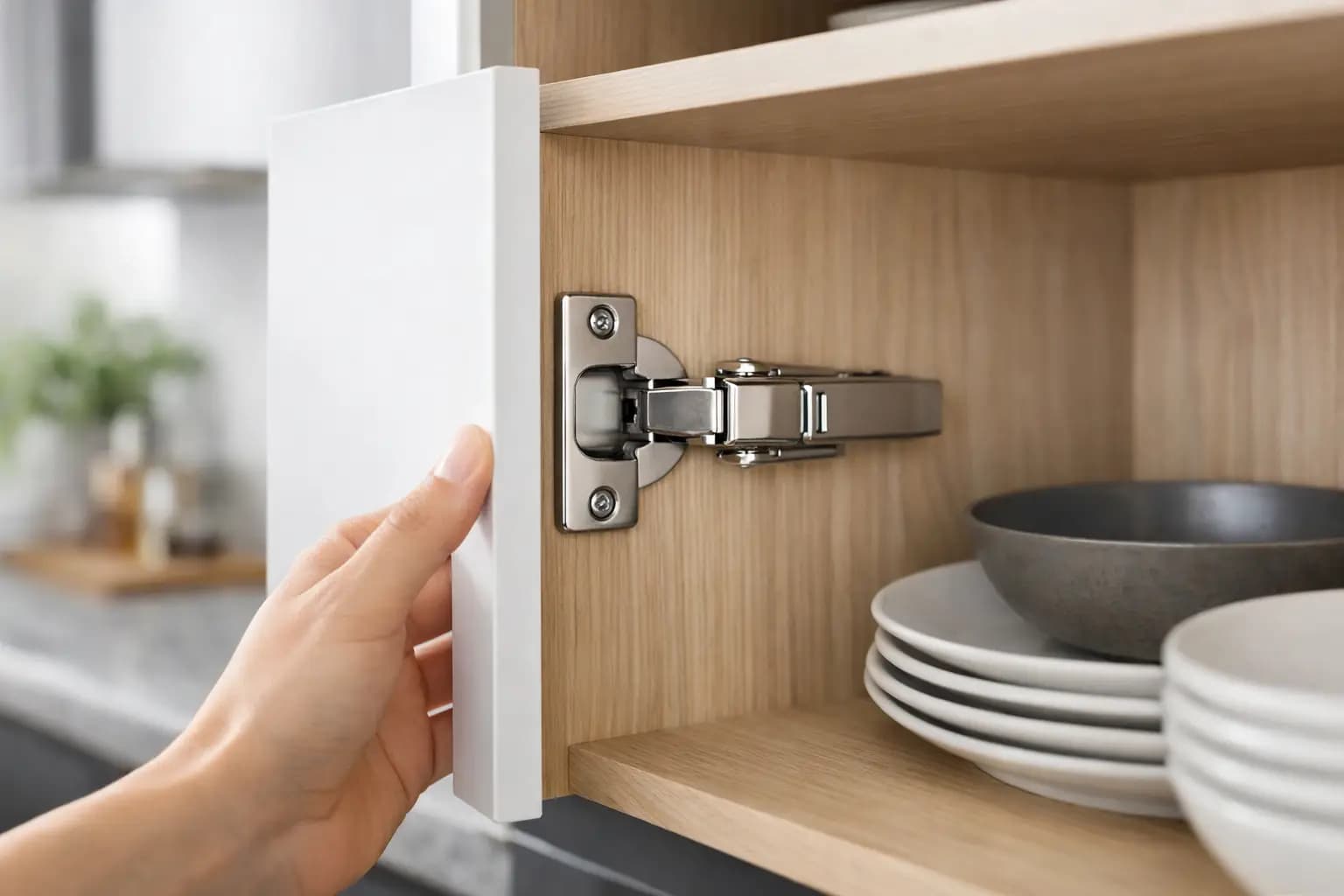
Why Blum Hinges Change How Cabinets Feel
SEP 12, 2026

Design Build Comparison for Better Renovations
SEP 10, 2026

10 Small Apartment Storage Examples That Work
SEP 08, 2026
Renovation Quotation Analysis Made Clear
SEP 06, 2026

How to Inspect Carpentry Quality Before Handover
SEP 04, 2026

HDB Renovation Noise Rules Guide for Homeowners
SEP 02, 2026

Office Renovation That Makes Work Flow Better
AUG 31, 2026

Renovation Permit Questions Singapore Owners Ask
AUG 29, 2026
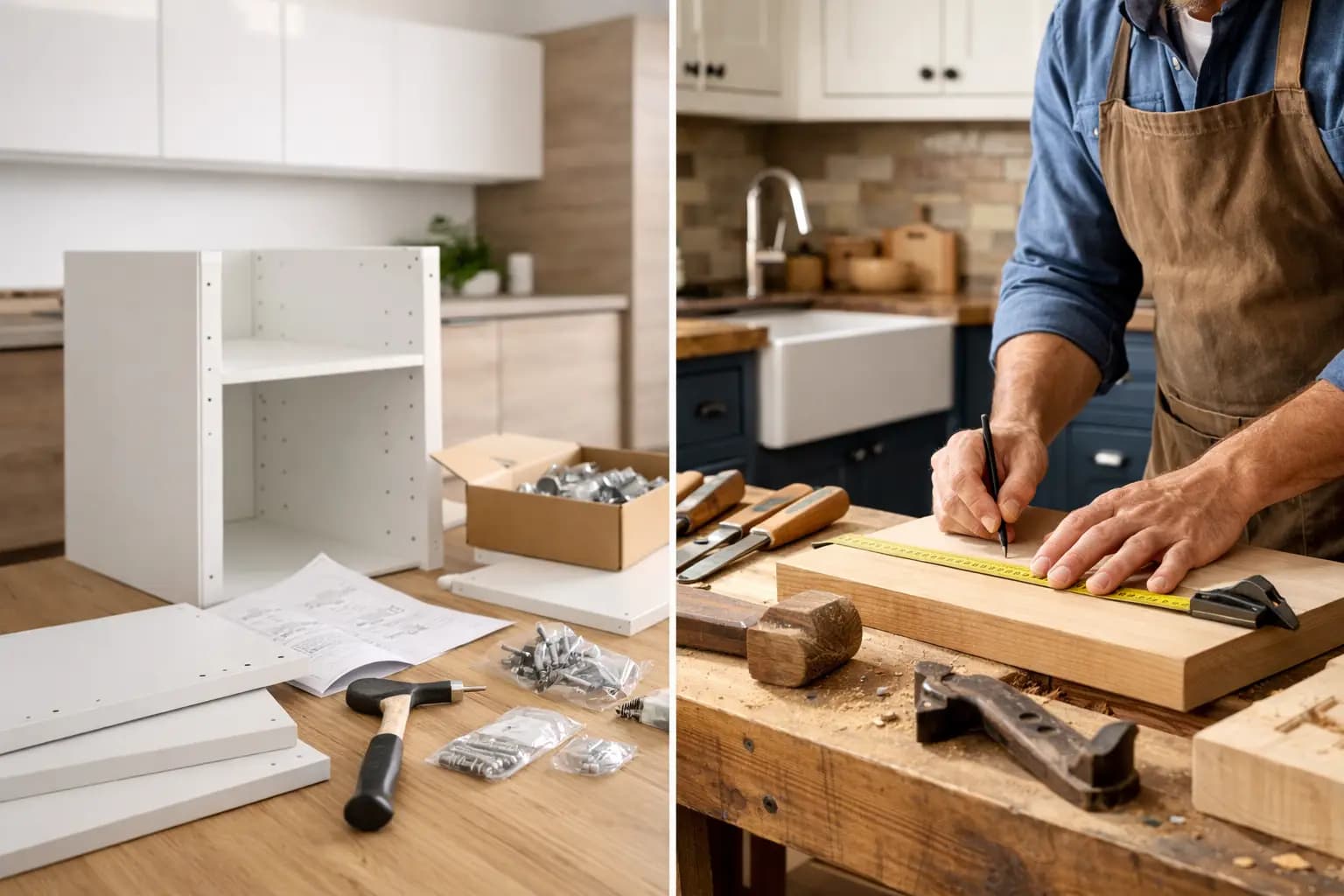
Modular Versus Custom Cabinetry: Which Fits?
AUG 27, 2026

How to Avoid Renovation Delays in Singapore
AUG 25, 2026

Renovation Handover Checklist Guide for Homeowners
AUG 23, 2026

How Long Do Renovations Take in Singapore?
AUG 21, 2026
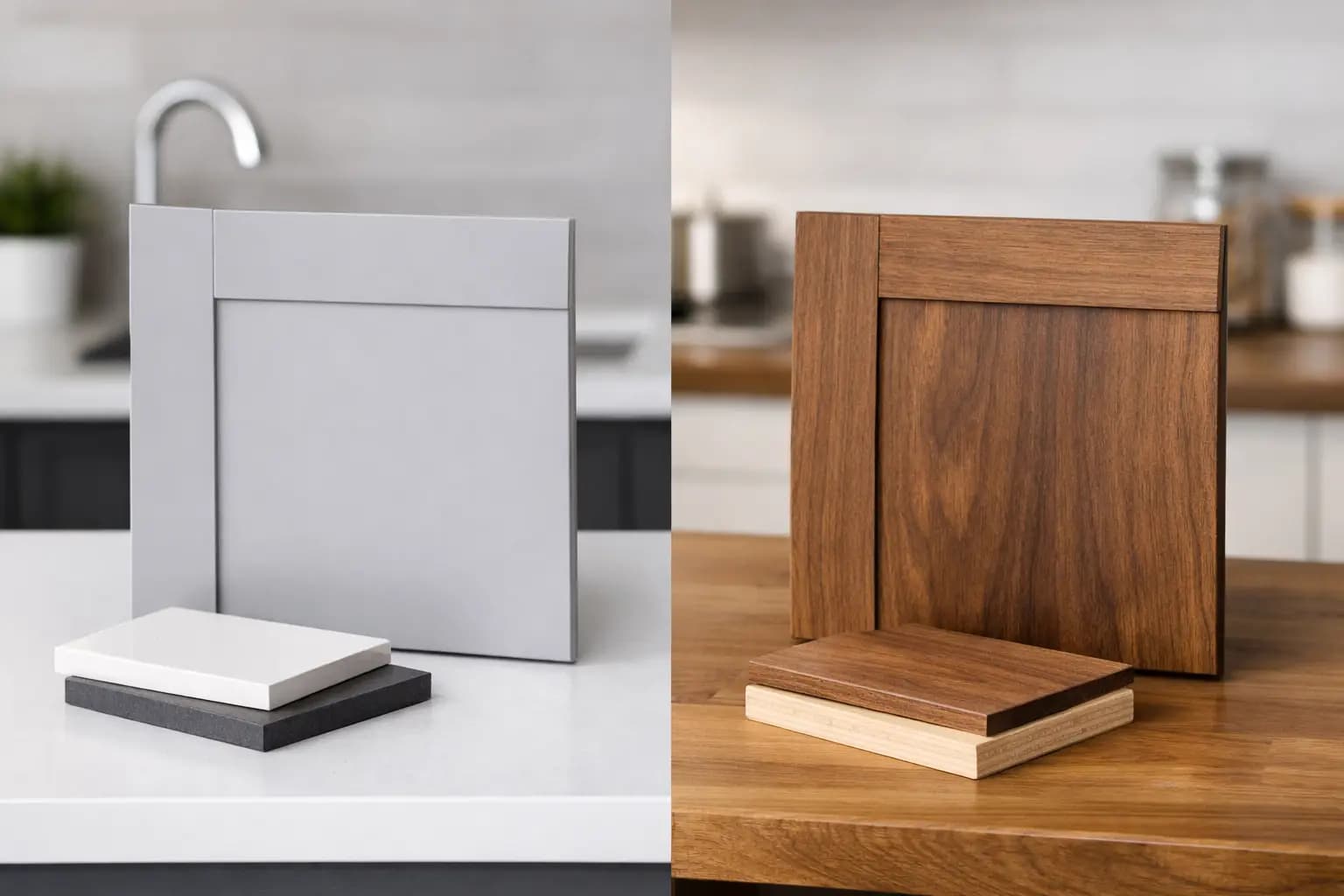
Laminate Versus Veneer Cabinets Compared
AUG 19, 2026

Can HDB Walls Be Removed? What to Check First
AUG 17, 2026
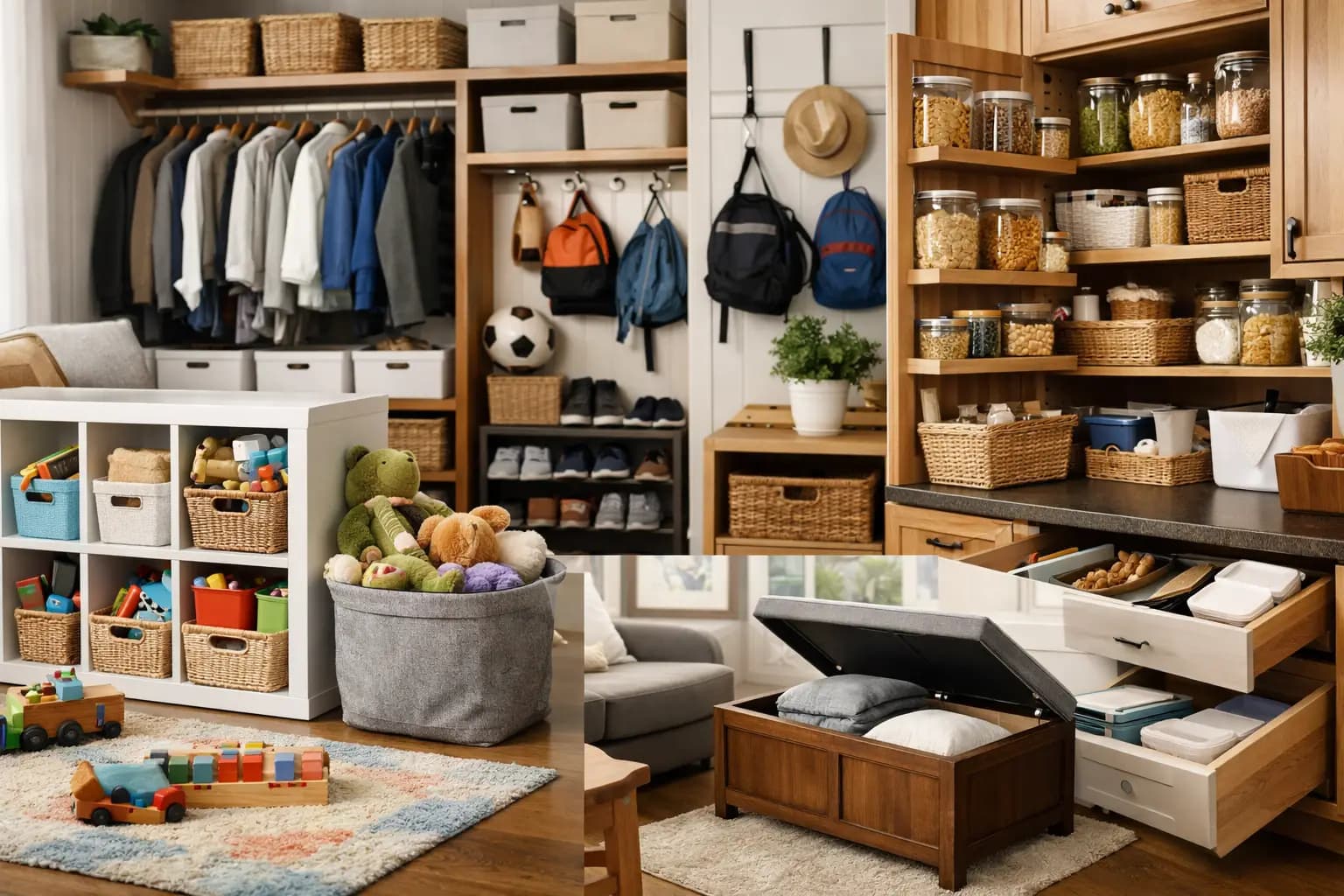
12 Best Storage Ideas for Families at Home
AUG 15, 2026

ID Firm Versus Contractor: Which Fits Your Renovation?
AUG 11, 2026

How to Budget Home Renovation Without Regrets
AUG 09, 2026

What Is a Renovation Deposit? A Clear Guide
AUG 07, 2026

How to Choose Cabinet Materials for Your Home
AUG 05, 2026

10 Common Renovation Budget Mistakes to Avoid
AUG 03, 2026

First Time Renovator Guide for a Confident Home
AUG 01, 2026

HDB BCA Renovation Requirements Explained
JUL 30, 2026

Retail Interior Design Singapore That Works Hard
JUL 28, 2026

Landed House Renovation Singapore Done Right
JUL 27, 2026
Small HDB Space Planning That Feels Spacious
JUL 26, 2026

3D Interior Design Visualization Singapore
JUL 25, 2026

Kitchen Cabinet Direct Factory Price Explained
JUL 24, 2026

Built In Wardrobe Singapore for Smarter Homes
JUL 23, 2026

Choosing a CaseTrust Interior Design Firm
JUL 22, 2026

How Direct Factory Pricing Shapes Renovation Value
JUL 21, 2026

Interior Design Singapore Homes That Work
JUL 19, 2026

Choose a Renovation Contractor in Singapore
JUL 18, 2026

Condo Renovation Singapore Plans That Work
JUL 17, 2026
Custom Carpentry for Singapore Homes That Works
JUL 16, 2026
HDB Renovation Plans That Make Small Homes Work
JUL 16, 2026
Designing for Hybrid Work: Flexible Offices Built for Change
JUN 11, 2026

Designing for Intergenerational Living in a 4-Room HDB Flat
JUN 11, 2026
Everyday Opulence: Functional Luxuries That Make a Big Impact in Singapore Homes
JUN 11, 2026
How to Future-Proof Your HDB for Ageing in Place
JUN 11, 2026
Mood Zones: How to Create Different Emotional Spaces at Home
JUN 11, 2026
Open-Concept HDB Design: Wall Hacking Guide
JUN 11, 2026

Quiet Please: Soundproofing Solutions for Busy Commercial Settings
JUN 11, 2026

The Art of Vertical Living: Designing Upwards in Small Singapore Spaces
JUN 11, 2026

Open-Concept HDBs: Pros and Cons
FEB 09, 2026
HDB Kitchen Hacks: Designing for the Singaporean Home Chef
FEB 09, 2026